Hey there, if you’re running a metal fabrication shop, or maybe you just got your first plasma cutter and are staring at a stack of spare parts wondering what the hell actually works, this post is for you. I’ve been in the plasma cutting game for over 10 years now, working with all kinds of shops—tiny garages cranking out custom railings, big factories cutting 2-inch steel plates for construction, everything in between. One of the most common questions I get, every single week, is “how do I pick the right nozzle for my plasma cutter?” It sounds simple, right? Just grab whatever nozzle came with your machine? Nah, I see so many people throwing money away on the wrong ones, or getting garbage cuts because their nozzle was mismatched, not because their machine is bad. Today I’m breaking this down like I would for a new customer leaning over my counter, no jargon, no fluff, just stuff that actually works. Plasma Cutting Machine

First off, let’s get the basics straight—nozzle 101, in case you’re new. A plasma cutter’s nozzle isn’t just a little plastic or metal cap that holds the electrode in place. It’s the part that focuses the plasma arc, directs the gas flow, and keeps the cut clean and consistent. Mess up the nozzle, and even a top-of-the-line 100-amp cutter will leave you with dross (that crumbly metal gunk you have to grind off later), warped edges, or even parts that just don’t cut all the way through. I’ve seen guys use a cheap nozzle for a 40-amp cut on 1/2-inch steel, and they wonder why they’re spending 2 extra hours per part grinding dross. It’s not the cutter—it’s the nozzle.
Now, the first big factor you have to nail down: what’s your cutter’s amperage rating? That’s non-negotiable. Nozzles are built for specific amp ranges, and cramming a lower-amp nozzle into a high-amp machine is a fast way to burn the nozzle out in 10 cuts, max. Let’s be real, most of you aren’t running the same exact cuts every day, so don’t just stick to one number. If you have a 50-amp cutter, that covers cuts from 1/8-inch to 1-inch steel, right? The nozzle for a 50-amp machine is built to handle the maximum heat that machine puts out, so if you crank it down to 20 amps for thin sheet metal, that same nozzle works fine—no need to swap for a lower amp one there. Where people mess up is if they have a 100-amp cutter and try to use a 50-amp nozzle for a special thin cut job. The 50-amp nozzle can’t handle the higher gas flow and extra heat from the 100-amp machine, so it’ll melt through the tip in no time. I stock separate nozzles for 30A, 50A, 80A, and 100A because every shop’s loadout needs to match their cutter’s rated amps, no exceptions.
Next up: the thickness of the metal you’re cutting. This is another big one. Let’s say you’re cutting 1/4-inch steel for fence panels—you don’t need a nozzle built for 2-inch thick steel, that’ll leave a super wide, sloppy cut. Conversely, if you’re cutting 1.5-inch steel for structural beams, a thin-metal nozzle will just not have enough heat concentration to pierce all the way through. I remember a guy last month brought in a cut that looked like a toddler used a plasma cutter—warped edges, dross all over, and he told me he was using the same nozzle he uses for 16-gauge sheet metal for his beam cuts. That’s the mistake. For thin metal (1/8-inch and under), you want a nozzle with a smaller orifice (the hole where the plasma comes out). Smaller orifices create a tighter, more focused arc, so you get clean cuts without wasting gas. For medium thickness (1/4-inch to 1-inch), go with a medium orifice nozzle—balances arc focus and gas flow, works for most general fabrication. For thick metal (over 1 inch), you need a larger orifice nozzle, because that lets more gas and heat through, so you can pierce thick plate without the nozzle overheating. I’ve had guys argue with me that a small nozzle works for thick cuts, but trust me, I’ve tested this hundreds of times. Large orifice nozzles might use a little more gas, but you’ll cut through twice as fast, and the dross is way easier to knock off.
Wait, let’s not forget plasma gas type and mix. Most people don’t think about this, but the gas you run through your cutter changes the nozzle you need. If you’re cutting mild steel, 90% of shops use compressed air as their plasma gas—super common, cheap, easy to get. For air-plasma cutters, you need nozzles designed specifically for air. Don’t grab a nozzle meant for nitrogen or argon, that’s a recipe for melting. If you’re cutting stainless steel or aluminum, some shops use a mix of argon and hydrogen or nitrogen, because those gases give a cleaner cut on non-ferrous metals. For those gas types, the nozzle material and orifice size are different—they need to handle higher temperatures and different gas pressure. I have a set of nozzles specifically for non-ferrous cuts, separate from the air ones, because the chemical composition of the gas plays a big role in how the nozzle holds up and performs.
Material of the nozzle itself? That’s another thing that trips people up. Most standard nozzles are copper, right? Pure copper, because it’s a great conductor of heat, so it doesn’t overheat as fast. But there are also nozzles with ceramic coatings, or even swirl rings built in. Wait, swirl rings—what’s that? Oh right, the swirl ring is the part that makes the plasma gas spin as it exits the nozzle. A good swirl ring creates a more stable arc, which makes the cut straighter and reduces dross. A lot of cheap nozzles skip the swirl ring, or use a cheap plastic one that breaks after a few uses. I always recommend copper nozzles with a high-quality swirl ring, even if they cost a little more upfront. I had a customer last year who was buying $2 no-name nozzles off Amazon, burning through a pack of 10 every week. Switched to our $7 copper nozzles with swirl rings, and he goes through 2 a month, total cost way lower. Plus his cuts got so much cleaner, he didn’t need to hire a part-time guy grinding dross anymore. Win-win.
Now, what about specific use cases? Let’s break this down, because one size definitely doesn’t fit all. If you’re a hobbyist working on small projects at home, a mid-range 50-amp air plasma cutter—grab a 50-amp medium orifice copper nozzle. That’ll cut everything from 16-gauge sheet metal (for furniture or small railings) up to 1-inch plate for custom brackets. No need for fancy parts here, just a good standard nozzle. If you’re a fabricator running production parts, cutting 100+ feet of metal a day, you’ll want heavy-duty nozzles. They’re built thicker, handle higher amperage runs, last longer, and have a more consistent arc. I stock heavy-duty nozzles for all our high-volume customers, and they swear by them. What about if you’re doing fine detail work, like cutting intricate metal signs or custom art? You need a nozzle with an even smaller orifice, maybe a precision nozzle. Those are built to hold a super tight arc, so you can cut small curves and sharp corners without the arc wandering. I have a customer who makes custom metal signs, he uses a precision 30-amp nozzle on his 40-amp cutter, and his cuts are so detailed you can barely see a seam between two pieces.
Wait, common mistakes to avoid—let’s list these out because they’re the ones I see every day. First, don’t reuse nozzles way past their lifespan. A lot of guys think if it’s not melted completely, it’s fine. But once a nozzle gets worn, the orifice gets bigger, the arc gets wider, and your cuts get sloppy. You’ll start getting dross, warped edges, and even electrode wear goes way up. I tell people to swap out nozzles every 10-20 hours of use, depending on how heavy your cuts are. Second, don’t cheap out on nozzles. I get guys asking for the cheapest ones, and they end up costing them more in lost time and bad parts. Our nozzles are OEM-grade, but we price them competitively, way lower than the big brand names, and we test every batch to make sure they work with all major plasma cutter brands—Hypertherm, Hobart, Miller, you name it. Third, don’t mix and match parts from different brands. Wait, is that a rule? Mostly. If your cutter is a Hypertherm, get a Hypertherm-compatible nozzle. If it’s a Miller, get a Miller-spec nozzle. Different brands build their torches differently, so a nozzle that fits a Hypertherm might not seat right in a Hobart torch, leading to bad gas flow or arc issues. I do stock universal nozzles for certain cutters, but 9 times out of 10, brand-specific is better.
Another thing: spare nozzles. If you’re running a plasma cutter, always keep a few spare nozzles on hand. Nothing kills a job faster than your nozzle burning out mid-cut, and not having a replacement. I tell all my regular customers to keep at least 3-5 nozzles in their shop—one in the torch, one spare in the toolbox, one extra just in case. It’s a small cost that saves you from a huge headache.
Wait, let’s circle back to my experience, because that’s what I think makes this post useful. I had a big job last quarter for a construction company that needed 200 2-foot steel plates cut to exact dimensions. They were using cheap nozzles, and their first batch came out with so much dross, they had to rework half of them. They came to me, I walked them through matching their nozzle to their 80-amp cutter and 1-inch plate, gave them the right nozzles, and they finished the entire job 2 days ahead of schedule, with zero dross rework. That’s the difference between picking the right nozzle and guessing.
At the end of the day, choosing the right nozzle isn’t rocket science, but it’s not something you want to wing either. It comes down to three main things: your cutter’s amperage, the thickness and type of metal you’re cutting, and the gas you’re using. Skip the cheap no-name ones, keep spares on hand, and if you’re ever unsure, don’t guess—hit me up or reach out to your plasma supplier.
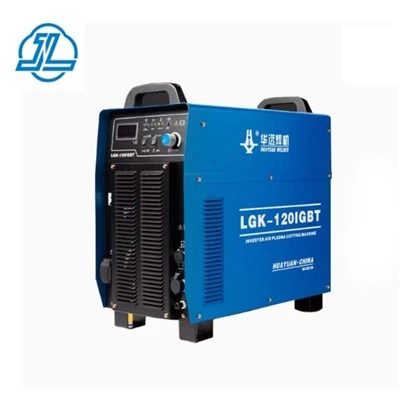
If you’re tired of burning through nozzles, dealing with sloppy cuts, or wasting time grinding dross, we’ve got you covered. We stock a full range of OEM-grade nozzles for all plasma cutter models, plus we can help you pick exactly what you need for your specific jobs. Whether you’re a hobbyist working on weekend projects or a big fabricator running 24/7, we’ll set you up with the right parts to make your cuts faster, cleaner, and cheaper. Hit us up to chat about your needs, and we’ll help you pick the perfect nozzle for your setup.
Laser Welding Machine References:
- "Plasma Cutting Nozzle Selection Guide" – American Welding Society, 2022
- "Advanced Plasma Cutting Technology for Metal Fabrication" – Industrial Press, 2021
- "Maintenance Tips for Plasma Cutting Consumables" – Fabricator Magazine, Volume 38, Issue 5, 2020
- "Nozzle Orifice Size and Its Impact on Plasma Cut Quality" – Journal of Manufacturing Processes, Volume 62, 2021
Hebei Juliang Technology Co., Ltd.
Hebei Juliang Technology Co., Ltd. is one of the most professional plasma cutting machine manufacturers and suppliers in China, featured by quality products and good service. Please rest assured to buy CE approved plasma cutting machine from our factory. Welcome to contact us for customized service and discount information.
Address: Building 1, Juluang Industrial Park, Gaocheng District, Shijiazhuang City, Hebei Province, China
E-mail: sales@jlwmb.com
WebSite: https://www.julasers.com/
