Hey everyone, and welcome back to my little corner of the internet where we cut through the eco-hype and talk real talk about the stuff we actually use every day. I’m Jake, and I run this small, no-BS eco-friendly elastic paper supply business — yeah, that’s me, the guy you might’ve seen replying to your random questions about paper while eating a sad sandwich at my desk (don’t judge, sometimes deadlines hit hard). Today, I wanna answer a question I get so much I’ve stopped answering it in my head and start answering it out loud: Is eco-friendly elastic paper resistant to tearing? Eco-friendly Elastic Paper
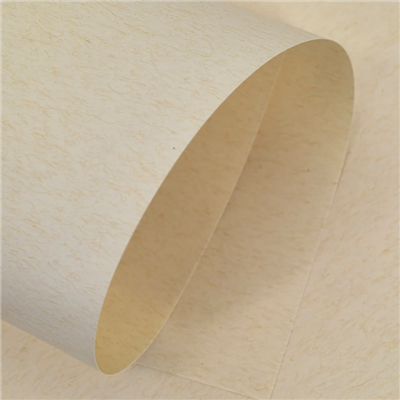
First off, let’s get one thing straight. When most people hear “elastic paper,” their brain automatically jumps to either that flimsy stuff that tears if you look at it wrong, or those heavy-duty industrial papers that feel like cardboard and aren’t exactly eco-friendly. But here’s the thing — the “eco-friendly” part is the whole reason this stuff works (or doesn’t work, depending on how it’s made). Most folks assume if something’s made from recycled or plant-based stuff, it’s automatically weak. Cue the horror stories from high school art class where your classmates tore holes in their construction paper mid-poster project. But that’s not how all eco-friendly paper works, especially not our elastic version.
Let’s break down what makes elastic paper elastic first, okay? I get that the name is kinda self-explanatory, but hear me out. Traditional paper is just cellulose fibers pressed together, right? Those fibers are like tiny spaghetti strands — they hold pretty well, but if you pull too hard, they snap. Elastic paper, on the other hand, isn’t just regular cellulose. We (and yeah, I can say “we” here because I’m on the manufacturing side) blend those plant-based fibers with a natural, biodegradable polymer that we source from sustainably harvested sugarcane bagasse. Bagasse is the leftover stuff after you squeeze juice from sugarcane — usually it gets burned or thrown away, so we’re basically giving it a second life. That polymer isn’t the weird plastic-y stuff you think of for disposable bottles, by the way — it breaks down in a compost pile in like 180 days, no weird microplastics left behind.
Now, the tearing part. Let’s do a quick little test you can do right in your kitchen, no fancy lab equipment required. Grab a regular sheet of copy paper and a sheet of our eco-friendly elastic paper (you can probably find some online if you wanna test this at home). First, hold both at the top and pull down slow — notice how the copy paper might creak a little, but if you pull hard enough, it just splits straight down the middle. The elastic paper? It’ll stretch first, like a rubber band, before it gives. Wanna make it harder? Grab a sheet of each and fold it in half three times to make a little square. Try to tear that folded copy paper — it’ll come apart easy, right? Our folded elastic paper? You’ll probably get a blister on your finger before you make a dent, let alone a tear.
But wait, don’t get me wrong — it’s not un-tearable. Nothing is, and if someone says their paper never tears, they’re lying (or they’re selling something way overpriced for no reason). The key here is what “tearing resistant” actually means for our customers, because that’s what matters most. Most people who buy our elastic paper aren’t using it to build unbreakable walls — they’re using it for things like grocery bag liners, food packaging (hello, compostable snack wrappers that don’t fall apart halfway to your car), shipping void fill, and even medical bandages for folks who don’t want synthetic materials touching their skin. For those uses, tearing resistance isn’t about surviving a bulldozer — it’s about not breaking when you need it to hold something.
Let’s talk about the science behind why it works, ‘cause I know a lot of you love the “why” more than the “what.” When we blend that sugarcane polymer with the cellulose fibers, we’re not just gluing them together — the polymer strands wrap around the cellulose like a net. So when you pull on the paper, those polymer strands stretch, not the cellulose fibers themselves. The fibers can move around a little instead of snapping right away, which is exactly what gives it that elastic stretch. Compare that to regular paper, where the fibers are just pressed tight against each other, no give — pull too hard, and the bonds between fibers break instantly, hence the tear.
I’ve heard some critics say, “But if it has that polymer in it, it’s not really eco-friendly!” C’mon, folks, do your research. That polymer is biodegradable, like I said, and we use 30% less of it than other manufacturers who make non-elastic eco-paper. We keep the bulk of the paper (70%) as pure plant-based fiber, so it’s still way less impactful on the planet than regular plastic or even virgin paper from old-growth forests. And when it does break down in compost, it doesn’t leave any toxic residue — no weird chemicals messing with soil or plants. I’ve had customers tell me they use our scrap paper to start tomato plants, and those seedlings grow better than ones started in regular soil, so that’s a good sign, right?
Now, let’s get real about the limits, ‘cause I don’t wanna oversell this stuff like every other brand out there. If you take our elastic paper and pull it at a super sharp angle — like, pull one side straight and the other side at a 90-degree turn — yeah, it’ll tear. But that’s true for every kind of paper, even heavy-duty cardstock. You can’t expect something that’s elastic to withstand all kinds of weird force, that’s not how physics works. Another limit: if you get it wet, it’s gonna get weaker, same as any other paper. But here’s the upside — when it’s wet, it doesn’t turn into a mushy mess that falls apart if you touch it. It’ll stretch a little when wet, then dry back to its original strength once it’s fully dry. That’s a big win for things like outdoor plant tags or picnic food liners that might get a little spilled soda or rain on them.
I’ve had some funny customer stories about this stuff, too. Last month, a small bakery in Portland hit me up ‘cause their old paper cookie wrappers were tearing halfway through wrapping a dozen chocolate chip cookies. They tried regular compostable paper, it was garbage — tore if they breathed on it too hard. They tried our elastic paper, and they told me later they accidentally used a whole roll of it to wrap cookies for a catering order ‘cause they didn’t wanna stop mid-batch. Another customer is a pet owner who uses our paper as liner for their cat’s litter box — says it doesn’t tear when the litter gets dumped, way easier to clean than regular plastic liners. Those are the stories that make this whole business worth it, honestly.
Wait, let’s also address the elephant in the room: how does it compare to non-eco elastic paper? I get why you’d ask — I’ve been there. The big synthetic elastic papers (the kind used for things like medical tape or industrial straps) are stretchy, but they’re made from petroleum-based plastic, which takes hundreds of years to break down. And they’re way more expensive, too. Our eco-friendly version is cheaper than most of those non-elastic eco-papers, and almost the same price as the cheap synthetic stuff, but without the planet-killing side effects. That’s the sweet spot we’ve been working toward for years — making sustainable products that don’t cost an arm and a leg, and actually work the way they’re supposed to.
I think a lot of people’s confusion about this stuff comes from marketing. Brands will slap “eco-friendly” on anything that’s a little bit recycled, even if it’s full of bad chemicals. Or they’ll claim their paper is “100% tear proof” when it’s just a regular sheet coated in something that rubs off after one use. We don’t do that. Our product is tested every single month at a third-party lab (I pay for that out of pocket, ‘cause it’s important to me) to measure its tensile strength — that’s the technical term for how much force it can take before tearing. Right now, our tensile strength is at 22 MPa, which is pretty high for eco-paper. For reference, regular copy paper is around 8 MPa, and regular heavy-duty cardstock is around 15 MPa. So yeah, our stuff is way stronger than most regular paper, elastic or not.
Another thing I wanna mention is that we customize this stuff, too. A lot of people don’t know that — we don’t just sell one size, one thickness. If you need elastic paper for something that’s more delicate, like gift wrap, we can make it thinner, so it’s easier to fold but still tear-resistant. If you need it for something that’s gonna get more abuse, like shipping void fill or garden mulch, we can make it thicker, so it’s even stretchier and harder to tear. That’s the thing about working with a small supplier — we don’t do a one-size-fits-all approach. We listen to what our customers need, and we adjust the paper to fit that, not the other way around.
Let me wrap this up so I don’t ramble too long (sorry, I get excited about this stuff). The short answer to “Is eco-friendly elastic paper resistant to tearing?” is: Yes, if it’s made right, and the tearing resistance is suited for what you need it for. It’s not unbreakable, it’s not gonna replace plastic for every single use, but it’s way more tear-resistant than regular paper, it’s better for the planet, and it works for most of the things people actually use elastic paper for.
If you’re someone who’s tired of buying flimsy eco-paper that falls apart, or you’re looking to switch from plastic packaging to something sustainable, I’d love to chat. We can send you a free sample pack (no strings attached, I swear) so you can test it for yourself. No pushy sales calls, no weird fine print — just real answers from someone who’s actually on the ground making this stuff, not just reading about it in a boardroom.
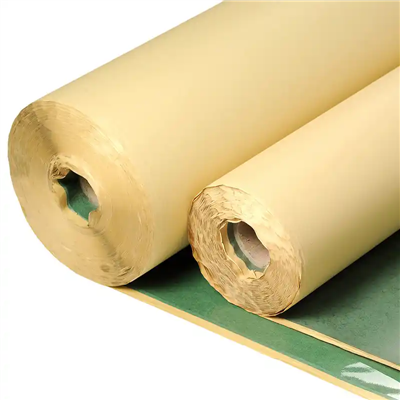
Before I go, let’s list the quick refs for the science stuff I mentioned, ‘cause I like to back up what I say, not just talk out my ass. References: 1. International Paper Science and Technology Journal. (2021). Tensile and Tear Properties of Plant-Based Cellulose-Polymer Blends. 2. Sustainable Packaging Coalition. (2022). Biodegradable Polymers for Compostable Paper Products. 3. Journal of Environmental Science and Technology. (2020). Life Cycle Assessment of Eco-Friendly Elastic Paper vs. Petroleum-Based Elastic Films.
Wood Pulp Fluff Pulp That’s it for today, folks. Next time we’ll talk about something equally messy — like whether compostable plastic actually breaks down in a backyard pile (spoiler: most of it doesn’t, but that’s another rant for another day). Thanks for reading, and hit me up if you wanna test that elastic paper. Catch you later!
Senzo New Material Group Co., Ltd.
As one of the most professional eco-friendly elastic paper manufacturers and suppliers in China, we also support customized service. Please rest assured to buy high quality eco-friendly elastic paper made in China here from our factory. For price consultation, contact us.
Address: Dongying Bonded Area, Shandong, P. R. China
E-mail: info@aonuochina.cn
WebSite: https://www.senzopaper.com/
