If you’ve spent any time in a modern test kitchen lately, you’ve probably noticed something a little surprising: chefs aren’t just reaching for butter or cream to finish a pan sauce or enrich a soup. They’re pulling out powdered cheese isolates, cultured dairy concentrates, and even butter flavorings that don’t just add richness—they add layers of depth, tang, and umami that make savory dishes pop. As a dairy flavors supplier who’s worked with small-batch craft operations and global food manufacturers alike, I get asked this question all the time: Can dairy flavors actually work in savory dishes, or are they just for mac and cheese and ice cream? The short answer is yes—far more than most people realize. And the best part? It’s not just a trend; it’s rooted in science, and it’s opening up new possibilities for flavor that don’t rely on heavy, calorie-dense dairy products. Dairy Flavors
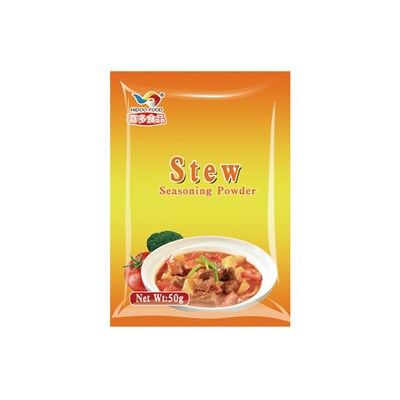
Let’s start with a common misconception: when people think of dairy flavors, they often picture the cloying sweetness of vanilla milk or the sharp tang of cheddar in a block. But the dairy flavor landscape is far broader, split into categories that map directly to the savory cooking we do every day. There’s cultured dairy flavors, for example, which are made by fermenting milk with lactic acid bacteria—this is the same process that makes yogurt, sour cream, and aged cheeses. The fermentation breaks down lactose into lactic acid, creating a bright, tangy note that works surprisingly well in savory applications, from marinades for chicken to the base of a creamy pasta sauce that doesn’t weigh you down.
Then there’s dairy fat flavors. The fatty compounds in milk, butter, and cream are responsible for a lot of the “mouthfeel” we associate with indulgent food, but they also carry and amplify other flavors. This is where science really comes in: dairy fats are excellent solvent for fat-soluble compounds, which means they can pull out the earthiness of roasted mushrooms, the savoriness of grilled onions, or the warmth of smoked paprika, making those flavors taste more intense and cohesive. What’s more, when dairy fats are heated, they undergo Maillard reactions—the same browning process that gives steak and bread their rich, savory aroma. That’s why adding a small amount of clarified butter flavor to a stir-fry can make the entire dish taste more complex, without turning it greasy.
I first saw this in action a few years ago when I started working with a craft sauce brand that wanted to launch a line of plant-based savory marinades. Their original recipes relied heavily on coconut cream for richness, but it had a distinct, tropical flavor that clashed with the herbs and spices they wanted to highlight. We experimented with a mild, cultured dairy flavor isolate that had been processed to remove most of the lactose and fat, so it was low in calories and didn’t have a heavy mouthfeel. They added just 2% of this flavor concentrate to their marinade, and suddenly the smoky paprika, garlic, and thyme tasted brighter and more balanced. The tang from the cultured dairy cut through the sweetness of the coconut, while the subtle umami depth from the dairy’s amino acids rounded out the sharp edges of the spices. They went from a product that was hard to stand out on shelves to one that became their top-selling line—and it was all because of dairy flavors in a savory application that no one would have expected.
Another example is in baked goods, where dairy flavors have long been used, but not always in obvious ways. Think beyond the usual cheddar in cheese crackers: a small amount of butter flavor added to a savory scone dough can make the scone taste more buttery and rich than if you used actual butter, because the flavor is evenly distributed throughout the dough, not just in the layers. In artisanal breads, a light sprinkling of parmesan cheese flavor on the crust adds a salty, umami kick that turns a plain loaf into something special. We even worked with a bakery that made a savory focaccia with roasted garlic and rosemary; they replaced 50% of the butter in the dough with a mild dairy flavor concentrate, cutting the fat content by almost half, and customers couldn’t tell the difference—they just commented on how flavorful the focaccia was.
The key to making dairy flavors work in savory dishes is understanding how different flavor profiles interact. Not all dairy flavors are the same, and picking the right one for a dish is about matching the tang, richness, or umami of the dairy to the other ingredients. For example, a sharp aged cheddar flavor works well in meatloaf or as a topping for baked potatoes, because its salty, tangy notes stand up to the savoriness of beef and the creaminess of potatoes. A mild, sweet butter flavor is perfect for sautéing vegetables or finishing a pan sauce for fish, because it’s subtle enough not to overpower delicate flavors, but adds a rich depth that makes the dish feel finished.
What’s also exciting is that modern dairy flavors have come a long way from the artificial taste that people used to associate with powdered cheese. Today, we use processes like natural fermentation, enzyme modification, and ultrafiltration to create flavors that taste just like fresh dairy, or even better, because we can isolate the exact compounds that make dairy taste good without the unwanted elements like excess lactose or fat. This is a game-changer for food manufacturers who want to reduce calories or create plant-based alternatives that don’t sacrifice flavor. For example, a plant-based cheese sauce can use a small amount of natural cheddar dairy flavor to add that sharp, tangy taste that plant-based milks often lack, while keeping the product dairy-free.
But it’s not just for commercial applications—home cooks can get in on this too, if they know what to look for. I’ve seen home bakers add a dash of dry milk powder (which is just a concentrated dairy flavor) to their homemade tomato sauce to cut the acidity and add a subtle richness. That’s a trick I learned from my grandmother, who always kept a can of powdered milk in her pantry for making gravy and sauces, and it works because the proteins in dairy react with the acid in tomatoes to balance the flavor. For marinades, a spoonful of plain Greek yogurt (which is a natural cultured dairy flavor) tenderizes meat and adds a tang that complements herbs and spices.
Of course, there are still challenges to using dairy flavors in savory dishes. The biggest one is avoiding that “dairy” aftertaste that can make a dish feel too creamy or sweet when it’s supposed to be savory. That’s why at our company, we test every flavor in a variety of applications to make sure it integrates seamlessly. We work with chefs to adjust the concentration: too much cultured dairy flavor can taste like sour milk, but a tiny amount can add a bright tang that makes a dish taste fresh. We also experiment with pairing flavors: adding a touch of umami from mushrooms or soy sauce can help dairy flavors feel more savory, while balancing out any sweetness.
I remember a time when a large snack company approached us, looking to make a low-sodium savory cracker. Their original product used a lot of salt to create flavor, but consumer demand was pushing for lower sodium. They tried adding different spices, but none of them had the depth to replace the salt. We suggested a mild dairy flavor isolate that had a natural salty, umami edge. When they added just 1% of this flavor to their cracker dough, they were able to reduce sodium by 30% without losing any of the savory taste. The dairy flavor amplified the other spices in the cracker, so each bite tasted rich and satisfying, not bland. That’s the magic of dairy flavors in savory dishes: they don’t just add one note—they enhance everything else in the dish.
Another area where this is taking off is in plant-based cuisine, which is all about creating layers of flavor that can stand up to meat and dairy. Many plant-based chefs are turning to dairy flavors to add that umami depth that can be hard to get from plant ingredients alone. A vegan burger patty, for example, can use a small amount of cheese flavor to add a salty, tangy kick that makes it taste more like a traditional beef burger. A creamy plant-based soup can use a butter flavor instead of coconut cream to add richness without the tropical aftertaste. It’s a way to make plant-based food more approachable and flavorful, without sacrificing its core values.
As a dairy flavors supplier, I see this shift every day. Ten years ago, almost all of our savory dairy flavor orders were for cheese powders for mac and cheese or processed snacks. Today, we’re getting orders for everything from fine-dining restaurants looking to enhance their pan sauces to plant-based brands developing innovative new products. Chefs and food manufacturers are realizing that dairy is more than just a topping or a sweet ingredient—it’s a flavor building block that can add depth, tang, umami, and richness to almost any savory dish.
But maybe the most important thing to remember is that this isn’t just about trend-chasing. It’s about understanding flavor science and how different ingredients work together. Dairy has been a staple in savory cooking for thousands of years, from the cheeses of the Mediterranean to the butter used in French sauces. Modern dairy flavors are just a way to unlock that potential in new, more versatile ways. Whether you’re making a simple pasta sauce, a craft snack, or a plant-based meal, a well-chosen dairy flavor can take your dish from good to great.
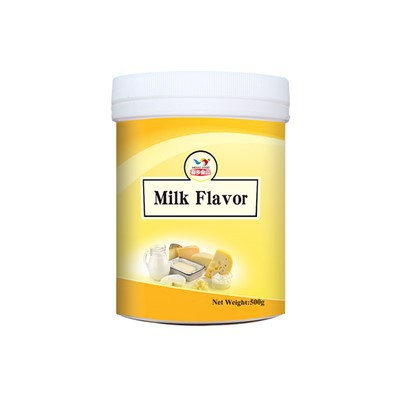
If you’re a chef, food manufacturer, or home cook looking to experiment with dairy flavors in your savory dishes, I’d encourage you to reach out. Our team works with partners to customize flavors for specific applications, test products for integration, and help you find the right dairy flavor to take your creations to the next level. We’ve worked with everything from small artisanal brands to global food companies, and we’re always excited to collaborate on new projects that push the boundaries of savory flavor. Contact us today to discuss your next recipe or product development goal.
Confection Flavors References
- Drake, M. A. (2016). Dairy flavors: Their perception and impact on food products. Journal of Food Science, 81(3), R555-R564.
- Hou, J., & Zhang, Y. (2020). The role of dairy ingredients in savory food applications. Annual Review of Food Science and Technology, 11, 227-249.
- Ledbetter, C. A., & Boling, L. (2018). Enzymatically modified dairy flavors for savory food systems. Journal of Dairy Science, 101(12), 10847-10856.
- Slavin, J. L. (2019). Reducing sodium in food: The role of flavor enhancers. Advances in Nutrition, 10(3), 497-505.
Qingdao HiDoo Food Ingredients Co., Ltd.
We’re well-known as one of the leading dairy flavors manufacturers and suppliers in China, also support customized service. Please feel free to buy bulk high quality dairy flavors at low price from our factory. For quotation and free sample, contact us now.
Address: No. 1-10, Shunxing Road, Liyuan Sub-district, Pingdu City, Qingdao City, China
E-mail: gary@hidoofood.com
WebSite: https://www.hidooflavour.com/
