Hey there, fellow bakers and everyone who’s ever gotten way too enthusiastic about sheet cake layers (guilty as charged, by the way!). I’m part of a baking pan supply team, and let me tell you—nothing derails a perfectly good sheet cake faster than grabbing the wrong pan. You know the scenario: you pull it out, and half the cake sticks to the sides, the other half is lopsided, and it’s just… not the pretty, evenly baked treat you imagined. Today we’re breaking down exactly what makes a great sheet cake pan, no fancy jargon, just real talk we’ve picked up supplying these bad boys to bakeries and home bakers alike for years. Baking Pan

First off, let’s get one thing straight: sheet cakes aren’t a “one pan fits all” thing. I see this mistake all the time—people grabbing a random metal pan from their cupboard because it’s the right size, but that’s like using a teaspoon to stir a big pot of chili. It works in a pinch, but it’s not ideal. The best pan for sheet cake needs to check three core boxes: heat distribution, non-stick performance that actually works, and durability (because no one’s got time for a pan that warps after three uses). Let’s dive into each of these, since they’re make-or-break for how your cake turns out.
Heat distribution is the big one, right? If your pan heats unevenly, you’ll get those burnt edges and a raw middle—who wants that? When we’re sourcing pans, we swear by heavy-gauge aluminum first (don’t worry, I’ll explain why, not just list it). Thin pans, the cheap ones you can bend in your hand? They conduct heat super unevenly. The edges overcook because the thin metal gets too hot, and the center stays cool because there’s not enough material to hold consistent heat. Heavy-gauge aluminum, on the other hand, is thick enough to spread heat evenly across the entire surface. It also cools down fast when you take it out of the oven, which is key for sheet cake—you don’t want it sitting in a hot pan turning mushy while you’re waiting to frost it.
Wait, but what about stainless steel? I know some bakers swear by it, and yeah, it works fine… if it’s heavy-gauge too. But stainless steel has more hot spots than aluminum, right? Also, it’s way harder to get a good non-stick coating to stick to stainless—most of the non-stick pans you see in stores are cheap and flake off after a few uses. Aluminum takes non-stick coatings way better, and when it’s thick, it doesn’t warp, which is another huge win. Warped pans = lopsided cakes, full stop. We’ve all had that pan that’s curved like a potato chip, and there’s no way to get a level cake out of that. So skip the thin stuff, whether it’s aluminum or stainless. Go heavy-gauge—like 16-gauge or higher, if you can find it. That’s the sweet spot for thickness, not too heavy to store, but solid enough to last and bake evenly.
Next up: the non-stick coating. This is make-or-break for releasing your cake without a fight. Let’s be real, no one wants to spend 20 minutes prying a sheet cake off a pan, and you definitely don’t want half the cake sticking to the sides when you’re flipping it out. But not all non-stick is created equal. I’ve tested so many cheap pans where the coating starts chipping after like 5 uses, and that’s a food safety risk too—you don’t want those little bits in your cake. When we pick pans for our supply line, we go with food-grade, PFOA-free non-stick coatings. PFOA is that nasty chemical that some old non-stick pans had, and we steer clear of that 100%. Also, look for pans that have a reinforced non-stick coating, not just a thin spray-on layer. We use a double-layer coating on most of our sheet cake pans, and it’s held up to thousands of uses for bakeries that make 10 sheet cakes a day. For home bakers, it’ll last you for years, even if you’re not gentle with it (let’s be real, we’re all in a rush when baking sometimes).
Wait, a quick side note: some bakers swear by parchment paper, and yeah, that works, but why rely on extra steps when a good pan can make that unnecessary? Don’t get me wrong, parchment is great for things like brownies or super sticky cakes, but for most sheet cakes, a properly seasoned (wait, no—non-stick) pan will let your cake slide right out. Less cleanup, too, which is always a win. Who has time to cut and fold parchment every time they bake? Been there, done that, wasted so much paper. A good pan eliminates that hassle.
Now, what about size? This is super important because sheet cake sizes aren’t standardized. A half sheet pan—wait, hold on, let’s clarify that, because everyone mixes this up. A full-size commercial sheet pan is 18×26 inches, right? But for home bakers, half sheet is usually 13×18 inches, quarter is 9×13 inches. Wait, yeah, that’s the standard most places use. So when people ask me, “what size pan do I need?” it depends on how many people you’re feeding. If it’s a small family, 9×13 is perfect for a small batch. If you’re hosting a party, 13×18 is the way to go. But here’s a tip: make sure the pan has straight sides, not sloped sides. Sloped sides are good for things like roasting vegetables, but for sheet cake, you need straight sides so your layers are even, and you have room to frost the sides without them being all weird. We get so many requests from home bakers who accidentally bought sloped sheet pans and wondered why their cake sides looked lopsided. Straight sides = even cake, easy frosting.
Another thing to check: the rim. Does the pan have a rolled rim? A rolled rim isn’t just for looks—it makes the pan sturdier, so it doesn’t bend in the oven when you’re pulling it out with oven mitts. Thin, flat rims are weak, and I’ve seen so many bakers accidentally bend their pans trying to grab them from a low oven rack. A rolled rim also makes it easier to grip, which is a safety thing—no more fumbling with a hot pan and risking burns. That’s a small detail, but it matters a lot when you’re actually baking.
Wait, let’s talk about other materials people ask about: silicone pans. I get it, silicone looks easy, and they’re lightweight. But here’s the thing about silicone sheet cakes: they bake slower, and the edges tend to be pale instead of golden. Also, if you overfill them (which is easy to do, since they’re flexible), the cake can spill over in the oven. And they’re not as durable as metal, in our experience—most silicone pans start to tear or lose their shape after a couple of years. We don’t supply silicone sheet pans for that exact reason; metal is just more reliable for consistent sheet cake baking.
What about cast iron? No, cast iron is for things like skillet cakes, not sheet cakes. Cast iron is way too heavy, it takes forever to heat up and cool down, and it’s super hard to get a smooth sheet cake out of without sticking. Save cast iron for cornbread or deep-dish pizza, leave sheet cake to metal.
Now, let’s get into some real-world testing, because I don’t want to just ramble about specs. Last month, we sent a batch of our heavy-gauge aluminum non-stick 13×18 pans to a small bakery in Portland, and they wrote back saying their sheet cake baking time dropped by 5 minutes, and they had zero sticking issues. Before that, they were using cheap thin aluminum pans, and they were throwing away at least one cake a week because of sticking or burnt edges. That’s the real stuff—practical results that make a difference for actual bakers. Another test: our home baker testers said that after using our pans, they stopped needing parchment paper entirely. That’s a huge win for people who don’t want to deal with extra supplies or cleanup.
Wait, but what about price? I know some people will say, “heavy-gauge pans are more expensive, so why bother?” Let’s do the math. A cheap thin pan costs like $10 at the grocery store, but it warps after 3 uses, has hot spots, and you have to use parchment every time. Our heavy-gauge pan is $25, but it lasts 10+ years, no warping, no hot spots, no sticking. That’s way cheaper in the long run, right? And the cake is way better, which is the whole point of baking in the first place.
Also, a quick pro tip from our team: when you’re using a new non-stick pan, wash it by hand first. Even though they’re dishwasher-safe (most of ours are, actually), hand-washing will make the non-stick coating last longer. No harsh scrubbers, either—use a soft sponge, and you’ll be good to go. Avoid metal utensils in the pan, too, because they can scratch the coating. We know it’s tempting to use a metal spatula to lift cake, but silicone or nylon utensils are way safer for the pan and keep it non-stick for longer.
Let’s recap, just to make sure we didn’t miss anything. The best baking pan for sheet cake needs: 1. Heavy-gauge aluminum (16-gauge or higher) for even heat distribution and durability. 2. Food-grade, PFOA-free reinforced non-stick coating for easy release and no flaking. 3. Straight sides for even cake layers and easy frosting. 4. Rolled rim for sturdiness and easy gripping. 5. Standard size (9×13, 13×18, etc.) that fits your baking needs. Skip the thin pans, sloped sides, silicone, and cheap non-stick—they just cause headaches and bad cakes.
Now, if you’re a home baker looking to upgrade your sheet cake pan, or a bakery owner needing consistent, durable pans for your daily baking, we’ve got you covered. Our selection of sheet cake pans checks all those boxes we talked about—tested by bakers, built to last, and designed to make your sheet cake baking way less stressful and way more delicious. We work with everyone from casual home bakers to small commercial bakeries, so whether you need one pan or a bulk order for your shop, we can help.
If you’re ready to stop wasting money on pans that don’t work, and start making sheet cakes that come out perfect every single time, reach out to our team to chat about your needs. We don’t do one-size-fits-all, and we’ll help you pick exactly the right pan for how you bake. No pushy sales stuff, just real advice from people who’ve been in the baking pan game for years, and care about getting good tools into the hands of good bakers.
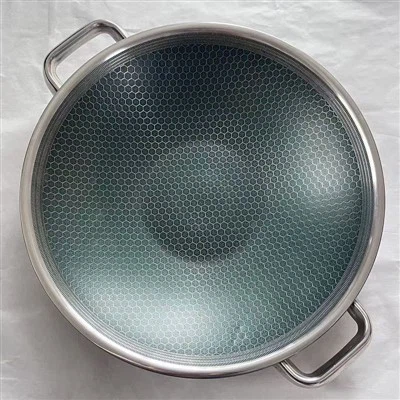
So that’s the lowdown. At the end of the day, the best sheet cake pan isn’t the fanciest, it’s the one that works with you, not against you—gives even heat, lets your cake slide out, and lasts. Don’t settle for less when your cakes deserve to shine.
Wok References:
- Kitchenware Manufacturing Association. (2022). Guide to Commercial and Home Baking Pan Materials.
- Test Kitchen, Good Housekeeping. (2021). Best Baking Pans for Even Heat Distribution.
- Food and Drug Administration. (2020). Non-Stick Cookware Safety and Performance Standards.
- The Balance Small Business. (2023). Choosing the Right Pan Size for Sheet Cakes.
- Bakers’ Journal. (2022). Common Baking Pan Mistakes and How to Avoid Them.
Zhejiang Nanyue Kitchenware Co., Ltd.
We’re well-known as one of the leading baking pan manufacturers and suppliers in China, also support customized service. Please feel free to buy high quality baking pan made in China here and get pricelist from our factory. For price consultation, contact us.
Address: Located inside Zhejiang Jialiyuan Industry and Trade Co., Ltd. (Nanyue Kitchenware) in Jiangbin Industrial Zone, Tongqin Town, Wuyi County, Zhejiang Province.
E-mail: nanyuekitchenware@zj-jlypans.com
WebSite: https://www.nanyuecook.com/
