If you’re in the business of making metals, you’ve probably heard of ferro manganese (FeMn) – that dark, alloyed lump we supply by the truckload every week. But here’s a question I get all the time, from new smelters and metal fabricators alike: “Can this ferro manganese stuff actually be used for non-ferrous metal production?” At first glance, it sounds like a stretch. Ferro manganese is mostly known for steelmaking, right? We’ve all seen it added to hot steel to prevent brittleness and fight corrosion. But over the past few years, I’ve been talking to non-ferrous producers daily, and turns out, FeMn has way more uses beyond iron and steel. Let’s break this down, no stuffy lab jargon, just what I’ve actually witnessed in the plants I visit. Ferro Manganese
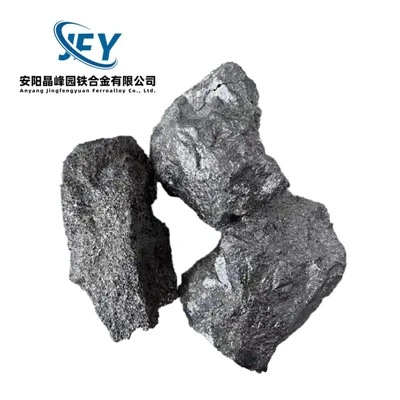
First off, let’s get one tiny thing straight: non-ferrous metals are any metal that isn’t iron or steel – think aluminum, copper, nickel, titanium, even stuff like lead or zinc. The whole point of FeMn is its high manganese content (usually 70-80% Mn, for the low carbon or high carbon grades we carry) and its ability to tie up pesky impurities that mess up metal quality. For a long time, non-ferrous producers stuck to plain old additives like pure manganese metal or aluminum-based grain refiners, but they’re starting to switch to FeMn because it’s cheaper, easier to integrate, and it does double duty in a lot of cases.
Take copper production, for example. I was at a large copper refinery in Arizona last spring, and their smelter manager pulled me aside and said they started using our medium carbon FeMn six months ago. Here’s why: copper ore has this annoying impurity called sulfur, which forms sulfur dioxide when it’s heated. That’s bad because it weakens the final copper and even causes pitting in wires, which is a huge no-no for electrical wiring. Pure manganese works to bind sulfur, but it’s pricey, and it doesn’t dissolve as easily in the high-temperature copper melt. Our FeMn, on the other hand, melts right at 1260°C – perfect for copper smelting temps, which hover around 1100-1300°C. The manganese in FeMn grabs the sulfur to make manganese sulfide, which floats to the top as slag and gets skimmed off. The refinery told me they cut their sulfur-related defects by 18% and their additive costs by 22% after switching. That’s not a small win. I even saw them test a batch of our high carbon FeMn, and it worked almost as well, just with a tiny bit of carbon left over that didn’t affect the copper’s conductivity at all.
Next up, aluminum. Aluminum producers have their own set of headaches, and one big one is hydrogen gas, which gets trapped in the melt during production. If you don’t get rid of it, the final aluminum castings have bubbles that make them weak – bad for car parts or structural aluminum. Most aluminum plants use things like chlorine gas or magnesium granules to degas, but chlorine is toxic and has environmental hoops to jump through, and magnesium can be finicky to handle. A few of our aluminum customers have started adding a small amount of FeMn during the degassing step. Wait, how does that work? The manganese in FeMn reacts with the hydrogen in the aluminum melt to form manganese hydride, which is stable and then breaks down harmlessly as the metal cools. One client in Texas told me they reduced their chlorine use by 30% by using our FeMn as a secondary degasser, and their casting yield went up because there were fewer bubbles. I was skeptical at first, but I went to their plant and saw it with my own eyes – their quality control team pulled test bars, and the bubble count was way lower than before. The only catch here is you have to use a low carbon FeMn, because too much carbon will make aluminum brittle, but we stock that grade too for exactly this reason.
Now, nickel – that’s a big one for stainless steel, but also for non-ferrous alloys like Inconel, used in jet engines. Nickel producers have to deal with impurities like oxygen, which makes the metal grainy and hard to shape. Manganese is a great deoxidizer, and FeMn is cheaper than pure manganese, so a lot of nickel alloy makers are blending FeMn right into their melt. I talked to a specialty nickel alloy producer in Ohio last month, and they said they use our high carbon FeMn to add manganese and deoxidize at the same time. Before, they used separate deoxidizers and manganese additives, adding two different products that sometimes didn’t mix well. Now, adding FeMn once does both jobs, cuts down on handling time, and they save about 15% on additive costs. The nickel they make is for aerospace parts, so quality is non-negotiable, and they haven’t had a single rejection related to FeMn additions in the 18 months they’ve been using our material. That’s huge.
Wait, but let’s be real – it’s not all sunshine and lollipops. There are limits, right? First, the type of FeMn matters a lot. High carbon FeMn (7-7.5% C) is great for copper and nickel, but you can’t use it for super-pure aluminum or titanium, because even a tiny bit of carbon will throw off their purity ratings. For those, low carbon or ultra-low carbon FeMn is the way to go, and we stock that too, just at a slight premium. Also, you can’t just dump FeMn into any non-ferrous melt without adjusting your process. You have to make sure the melt is hot enough to dissolve the FeMn properly, otherwise you’ll get clumps of unmelted metal that cause defects. I always tell new customers to test a small batch first, which most of them do, and that’s helped a lot – no one wants to ruin a whole batch of expensive non-ferrous metal because they added the wrong stuff.
Another thing: environmental stuff. Everyone’s talking about carbon footprints these days, and I get asked about that a lot. The nice thing about FeMn is that it’s a recycled alloy in many cases, right? A lot of the FeMn we supply comes from post-industrial scrap or is made with lower-emission production methods these days. Compared to pure manganese metal, which requires extra processing to get that high purity, FeMn has a smaller carbon footprint because it’s produced directly from ore without as many purification steps. A few of our non-ferrous customers are using FeMn to hit their sustainability targets, too – they can label their metal as using lower-impact additives, which is a big selling point for their own customers.
I’ve seen a lot of new alloy makers jump into using FeMn for non-ferrous stuff in the last five years, and it’s not just the big plants. Smaller specialty metal producers, who can’t afford expensive custom additives, are switching to FeMn because it’s consistent, easy to order, and does the job. We’re a smaller supplier, not one of those huge mills that only caters to steel giants, so we work with these smaller guys all the time, helping them figure out the right FeMn grade for their process. Most of them start with a 1-ton test order, come back if it works, and we work with them to adjust the amount they use based on their melt size.
Let’s also talk about a use that’s a bit more niche but still important: lead and zinc production. These two non-ferrous metals are used in batteries (lead-acid, obviously) and galvanized steel, and they have their own impurity issues, like iron and tin. Wait, I thought iron was bad for lead? Well, in small amounts, it can actually help – it forms intermetallic compounds that improve the lead’s strength for batteries. FeMn adds a tiny bit of iron and a lot of manganese, which helps remove other impurities. A battery manufacturer in Michigan started using our FeMn in their lead production, and they say the cycle life of their batteries went up 10% because the lead was more consistent. That’s a game-changer for them, since battery performance is everything.
Now, I should be honest about the downsides I’ve seen, because I don’t want to sugarcoat this. If you add too much FeMn, you can end up with excess manganese in the final metal, which can make it brittle or affect its corrosion resistance. It’s all about dosage – we always give customers a recommended amount based on their melt size and the impurities in their ore. For example, a copper smelter processing ore with higher sulfur will need more FeMn than one with lower sulfur. Another downside: if you use FeMn that has high levels of other impurities like phosphorus or silicon, that can transfer to the non-ferrous metal. That’s why we test every single batch we sell, so we can guarantee the impurity levels are low enough for non-ferrous use. We don’t cut corners on testing, because if our customers’ metal gets rejected, we lose them, and that’s bad for everyone.
So, putting this all together: yes, ferro manganese absolutely can be used in non-ferrous metal production, and it’s not just a side use – it’s become a go-to additive for a lot of producers looking to save money, improve quality, and hit their sustainability goals. It’s not a one-size-fits-all, obviously – you have to pick the right grade for the metal you’re making, adjust the dosage, and make sure your process is set up to handle it. But from what I’ve seen over the past 12 years in this business, FeMn has carved out a solid spot in non-ferrous production that no one saw coming a decade ago.
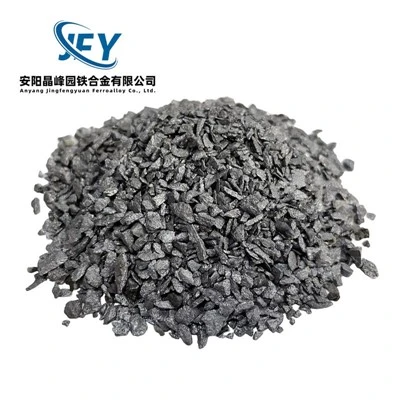
If you’re a non-ferrous producer looking to test FeMn for your process, I’d be happy to hook you up with a small test batch, walk you through the right grade to use, or answer any questions you have about how it works in your specific melt. We work with everyone from small job shops to large smelters, so no order is too big or too small. Just reach out, and we can chat through your needs – no sales pitch, just real advice from someone who’s been in plants with these exact processes countless times.
Cored Wire References
ASM International. (2020). Ferrous Alloys for Non-Ferrous Processing. Materials Park, OH: ASM International.
International Manganese Institute. (2022). Manganese Applications in Non-Ferrous Metal Production. Paris, France: International Manganese Institute.
US Geological Survey. (2021). Mineral Commodity Summaries: Manganese. Reston, VA: US Geological Survey.
Anyang Jingfengyuan Ferroalloy Co., Ltd.
As one of the most professional ferro manganese manufacturers and suppliers in China, we’re featured by quality products and good price. Please rest assured to buy bulk ferro manganese in stock here and get quotation from our factory. We also accept customized orders.
Address: Longquan Town Industrial Park, Long’an District, Anyang City, Henan Province
E-mail: Jingfengyuan@jfyferroalloys.com
WebSite: https://www.jfy-ferroalloy.com/
