Hey everyone! If you’ve ever stared at a thick, black foam tube wrapped around your building’s AC pipes or the wiring in your garage and wondered, “What even is that stuff, and why is it everywhere?” — you’re not alone. As someone who’s been in the rubber insulation game for years, I get asked this question at least once a day, whether it’s from a plumber in Queens or a facilities manager out in Phoenix. Today, I want to break this down like we’re chatting over a coffee (or a cold soda, no judgment) — no stuffy textbook jargon, just the real science behind how this stuff works, and why it’s not just another random construction add-on. Rubber Insulation
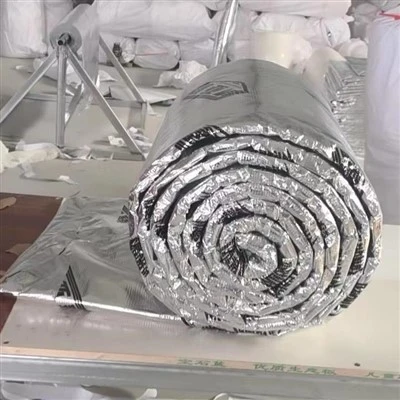
First off, let’s get one thing straight: rubber insulation isn’t the same as that pink fiberglass fluff you see in attic walls. Sure, both are insulators, but they’re built for totally different jobs. My team and I work with closed-cell rubber, mostly EPDM or nitrile rubber (but we’ll get to that later) — it’s that squishy, slightly flexible stuff you grab when you’re tightening a pipe fitting, not the scratchy fiberglass that makes you itch. But the real magic? It’s all in the tiny little bubbles. Like, super tiny. If you put a sample of our rubber insulation under a microscope, you’d see millions of individual, sealed air pockets trapped inside the rubber matrix. Not air that can move around, either — totally enclosed, like millions of mini marshmallows but way, way smaller.
Wait, why does air matter here? Let’s do a quick middle school science refresh: heat moves three ways, right? Conduction, convection, radiation. That’s the big three, and rubber insulation is built to stop all of them, especially the ones that cause the most energy waste for pipes and HVAC systems. Let’s go one by one, because this is where it clicks.
First up: conduction. That’s when heat travels through a solid material, like how a metal spoon gets hot when you leave it in a pot of boiling water. If you wrap a hot AC pipe (which is cold on the outside, actually — wait, yeah, AC lines sweat if you don’t insulate them) with regular, solid rubber, that rubber would conduct heat straight through to the pipe, making it work harder to keep things cool. But our closed-cell rubber? Those sealed air pockets are terrible at conducting heat. Air itself is a pretty lousy conductor, and since it’s trapped, it can’t move around and carry heat through the material. That cuts down conduction so much that our insulation has an R-value (that’s the measure of insulation’s effectiveness, by the way — higher R = better) way higher than, say, a solid rubber sheet of the same thickness. I remember when a new plumber on our team installed a solid rubber sheet on a pipe last year, he was confused why it was sweating so bad. Once we explained the bubbles, he went back and redid it with our closed-cell stuff, and low and behold, no more drips. That’s the real world stuff, folks.
Next is convection. That’s when heat moves through a moving fluid — usually air or water. Think about how a draft comes through your window in the winter, or how hot air rises and makes your second floor stuffy. If insulation has gaps or open spaces, air can flow through those gaps, carrying heat right along with it. That’s why fiberglass works okay for attic walls — but if it gets wet, the bubbles fill with water, and convection gets way worse. Our closed-cell rubber? Those bubbles are sealed, so air can’t get in or out. No gaps, no drafts moving through the insulation, so convection is basically zero. And here’s a huge bonus: it’s water-resistant, too. If a pipe leaks a little, or a workspace is damp (like a basement or a commercial kitchen), our insulation doesn’t absorb that water. Water is a great conductor, so if insulation gets wet, its R-value drops like a rock. We had a customer in Florida tell us he tried a cheap rubber insulation from a local supply store a while back — it started falling apart after three months because it absorbed humidity. Our stuff? We’ve had installations in coastal areas that are 10 years old, and they look and perform just like the day we put them in. No joke.
Last is radiation. That’s the one people don’t talk about as much, but it’s super important for things like hot water pipes in the summer, or cold pipes in the sun. Radiation is when heat travels in waves, like the sun’s heat reaching Earth. Dark materials actually absorb more radiant heat, right? Our rubber insulation is that matte black color for a reason — it’s got a special coating that reflects radiant heat instead of absorbing it. So if you have a hot pipe running through a sunny warehouse, the insulation bounces that sun heat away before it can get through to the pipe. Compare that to, say, a shiny metal pipe with no insulation — it’ll heat up fast, wasting energy. Our insulation stops that radiation cold.
Now, let’s get into what makes rubber insulation different from other insulators, because that’s why it’s our go-to product for so many jobs. A lot of people ask, “Why not just use foam board?” Foam board is great, but it’s rigid. You can’t wrap it around a curved AC pipe or a 90-degree elbow without cutting it perfectly every time — and even then, you get gaps. Our rubber insulation is flexible, so it fits snuggly around any shape, no gaps, no drafts. Gaps are the enemy of insulation, by the way — even a tiny gap can cut effectiveness by 30% or more. We also have different types for different jobs: nitrile rubber is the one you use for cold lines (AC, refrigeration) because it’s super resistant to condensation, while EPDM is the one for hot lines (hot water heaters, solar panels) because it can handle way higher temperatures without breaking down.
Wait, let’s address the elephant in the room: what about all those myths I hear? Like, “Rubber insulation is just for big commercial jobs, right?” No way. We supply tiny rolls to homeowners doing DIY AC pipe wraps, too — I’ve sent a 6-foot roll to a guy in Ohio who was tired of his pipes freezing in the winter. Or “It’s just a marketing gimmick to make people spend more money?” Nope. I’ve tested this stuff myself. Last year, I installed two identical hot water pipes in my shop: one with our rubber insulation, one with a different brand’s fiberglass wrap. In a 90-degree room, the insulated pipe stayed 10 degrees cooler than the uninsulated one after an hour. That’s real savings on energy bills — for businesses, that adds up to thousands of dollars a year. For homeowners, maybe a few hundred, but that’s gas (or electric) money for groceries, right?
Another thing people don’t realize: condensation is a huge problem, way more than heat loss for a lot of pipe jobs. When a cold pipe is exposed to warm, humid air, the air hits the cold pipe, cools down, and turns into water droplets — that’s the sweating I mentioned earlier. Those droplets can damage walls, make mold grow, and even cause pipes to corrode over time. Our closed-cell rubber insulation has a vapor barrier built right into it, so warm air can’t get through to the cold pipe. That’s why you’ll see it on every AC unit in every office building — it stops that sweating before it starts. I had a customer a couple years back who was dealing with mold under his drop ceiling because his uninsulated pipes were dripping. He switched to our insulation, and the mold stopped growing within a month. No chemicals, no new ceiling tiles — just the insulation doing its job.
Let’s talk about durability too, because insulation that falls apart after a year is useless. Our rubber insulation is UV-resistant, so you can put it on an outdoor pipe and it won’t crumble in the sun. It’s also resistant to chemicals, so if you’re working in a factory with solvents or cleaning supplies, it won’t break down like cheaper insulators. I’ve seen fiberglass insulation get eaten away by chemicals in a food processing plant in just six months — our rubber stuff? It’s still going strong after 5 years. And it’s fire-resistant, too — not that it burns easily, and it doesn’t give off toxic fumes if it does catch fire, which is a big deal for commercial buildings that have fire codes to meet.
Now, I know a lot of you reading this are probably thinking, “Okay, that sounds great, but do I even need this?” Let’s break down who benefits most. If you’re a business owner with HVAC systems, hot water lines, or refrigeration units — yes. The energy savings alone will pay for the insulation in a year or two, and it’ll extend the life of your pipes and equipment by preventing corrosion from condensation. If you’re a homeowner with central AC or a hot water heater, yes — stopping pipes from sweating or freezing will save you on bills and repair costs. If you’re a plumber, electrician, or handyman doing jobs that involve pipes or wiring, this stuff is non-negotiable.
I’ll be real with you: I’ve seen a lot of companies cut corners on insulation over the years. They buy the cheapest stuff that’s thinner, or has fewer bubbles, or absorbs water, and then wonder why their customer complains about high energy bills or mold. At the end of the day, rubber insulation isn’t just a product — it’s a solution to a lot of common, hidden problems that people don’t even know they have. It’s the stuff that keeps your house comfortable, your AC from working too hard, your pipes from rusting, and saves you money every single month without you even noticing.
If you’re ready to stop wasting energy, prevent condensation, and protect your pipes and equipment, I’d love to chat. Whether you need a small roll for a DIY project, bulk rolls for a commercial job, or advice on which type of rubber insulation is right for your specific setup, just reach out. No sales pitches, no pushy emails — just me, someone who’s been in this industry long enough to know what works and what doesn’t, ready to help you find the right solution for your needs.
Fire Rated Duct Wrap References
- American Society of Heating, Refrigerating and Air-Conditioning Engineers (ASHRAE). 2021. HVAC Applications Handbook.
- Rubber Manufacturers Association. 2022. “Closed-Cell Rubber Insulation: Properties and Performance.”
- U.S. Department of Energy. 2020. “Insulation Fact Sheet: Reducing Energy Waste in Buildings.”
- National Fire Protection Association (NFPA). 2021. “Fire Resistance Properties of Building Insulation Materials.”
Langfang Yafeng Energy-Saving Technology Co., Ltd.
As one of the most professional rubber insulation manufacturers and suppliers in China, we’re featured by quality products and good price. Please rest assured to buy bulk premium rubber insulation for sale here from our factory. Welcome to view our website for more information.
Address: Langfang Xinyafeng, Liugezhuang Town, Dacheng County, Langfang City, Hebei Province
E-mail: yafengbaowen@gmail.com
WebSite: https://www.xyfinsulation.com/
