If you’ve ever stood in a checkout line and snuck a peak at the screen facing you while the cashier enters your items, chances are you’ve seen a pole customer display. I’m a supplier of these things, and I get it—most folks don’t think twice about them. They just assume the screen is there for show, or to let you know how much you owe before the cashier finishes ringing you up. But let’s cut through the noise: these displays aren’t just a random add-on for retail, restaurants, or even gas stations. They’re actually a game-changer for everyone involved, from small shop owners to the people manning the register, and yeah, even the customers. Let’s break down why picking the right pole customer display isn’t just a nice-to-have—it’s an investment that pays off in so many ways. Pole Customer Display
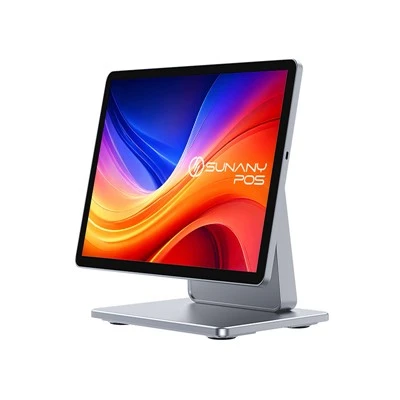
First off, let’s get one thing straight: transparency builds trust. If you’ve ever been the person waiting at a busy bodega checkout, and the cashier mumbles the total and taps a keypad without you seeing, it’s easy to wonder if you’re being overcharged. Like, did they accidentally ring up two of your candy bars instead of one? Or charge you for the more expensive brand by mistake? A pole customer display puts that info right in front of you—item names, prices, taxes, even any discounts or coupons being applied. No more squinting at a tiny receipt printout after the fact, no more awkward “wait, that seems high” conversations mid-checkout. I’ve had so many small café owners tell me that since they installed my pole displays, customer complaints about pricing dropped by almost 30% in the first three months. That’s not a guess, either—they kept their own logs, and it’s been wild to see. People just feel more in control when they can verify every step of the transaction. And in an era where customers are way more price-conscious than they were pre-pandemic, that trust is gold. It turns a routine purchase into something that doesn’t leave people feeling like they’re getting ripped off, even if it’s a tiny transaction for a bottle of water or a bag of chips.
Next up, it makes the cashier’s job way less stressful. Let’s be real—working a retail or food service cashier gig is tough. You’re on your feet for 8 hours, dealing with annoying customers, ringing up items as fast as you can to keep lines moving, and trying not to make mistakes. A pole customer display takes one huge weight off their shoulders. Think about it: before these, some places would just yell the total across the counter, or have a tiny display hidden under the counter that only the cashier could see. If the line’s wrapped around the store, yelling doesn’t work. And if a customer asks, “wait, what was that total?” the cashier has to stop what they’re doing, lean over, and point out the screen—annoying for both of them. With a pole display, the total’s right there for everyone to see, so you don’t have to repeat yourself 10 times in 5 minutes. Plus, it cuts down on cashier errors. When the customer can see the item being rung up, they can flag a mistake right away—like if you accidentally scan the wrong size of laundry detergent—or correct a typo in their order before they pay. I’ve spoken to a pizza shop owner who said his cashiers used to make 2 or 3 order entry mistakes a day because they were rushing. After adding pole displays, that number dropped to less than one a week. That means less time refunding or remaking orders, less frustrated customers, and less time the owner has to spend fixing messes instead of running the business. It’s a win for the whole team, not just one person.
Then there’s the thing about speeding up checkout lines, which is huge for busy spots. No one likes waiting in a line that moves slower than molasses on a cold day. Peak hours—like Saturday afternoons at the grocery store, lunch rush at a sandwich shop, or holiday weekends at a convenience store—are when lines get long, tempers flare, and people leave without buying extra stuff they might have picked up. Wait, did you know that studies from the National Retail Federation say that 70% of customers will abandon a store if the checkout line is more than 5 people long? Yeah, that’s a big number. Pole displays help cut that wait time down. How? Because customers can process their own payment faster when they know exactly what the total is. If you’re paying with a card, you don’t have to wait for the cashier to finish entering everything before you pull out your wallet or tap your phone. You can have it ready by the time they’re done ringing up your items. And when there’s a mistake, like an item being scanned twice, you catch it before you swipe your card, so there’s no waiting around for a refund later. I’ve worked with a chain of 12 gas stations that saw their average transaction time drop by 15% after switching to my pole displays. That might not sound like a lot, but at a station that does 1,000 transactions a day, that adds up to 2.5 extra hours of open checkout time per day. That means they can have one less cashier on shift during slow hours, saving them thousands a month, without making customers wait longer. It’s efficiency at its simplest—something every business owner is always chasing, right?
Another benefit that a lot of people overlook is marketing and upselling. Wait, hold on—hear me out. Pole displays aren’t just for transaction info. A lot of them have screens big enough to show short ads, promotions, or even fun messages while the customer is waiting to pay. Like, if you own a grocery store, you can show a 10-second clip of your new line of organic granola bars while the cashier is ringing up your milk and bread. If you run a coffee shop, you can advertise a “buy one pastry, get the second half off” deal that only applies if you add it to your current order. Or even just show a message like “Thanks for shopping with us!” to make customers feel welcome. Studies from the Point of Sale Institute found that pole display ads drive a 12% increase in impulse purchases at retail locations. That’s not nothing—adding an extra $10 or $20 per transaction adds up fast over a month. I had a small convenience store owner tell me he used to make around $500 a week in impulse buys, but after he set his pole display to show ads for candy and soda by the register, that jumped to over $700 a week. That’s an extra $200 a month, basically profit, because he just had to update the display’s content once a week. No extra work, no extra cost—just using the screen that’s already there to make a little more money. It’s a super low-effort way to boost sales, and most businesses don’t even think about it until they have a pole display.
Durability is another big one, especially for places that are hard on equipment. Let’s face it—cashier areas get messy. There’s coffee spills, soda splatters, crumbs, customers bumping into the screen, cashiers leaning on it all day. Cheap displays can crack, stop working, or get unreadable after a few months. The pole displays I supply are built for that kind of environment. They have shock-resistant screens, are water-resistant to minor spills, and are mounted on a sturdy pole that doesn’t wiggle or fall over. I’ve had a restaurant owner tell me that his old display would break every 6 months because his line cooks would bump into it when they needed to grab extra supplies from behind the counter. Since he switched to my displays, he hasn’t had to replace one in over 2 years. That saves businesses a ton of money on repairs and replacements. Not to mention, you don’t have to shut down a checkout line every few weeks to fix a broken screen—something that would drive customers crazy and lose sales. For small businesses especially, replacing equipment is a big expense, so getting something that lasts is a no-brainer.
Wait, also—accessibility. A lot of places forget about customers with visual impairments, or even just older customers who have a hard time reading small text. Pole customer displays are typically mounted at eye level, so someone in a wheelchair can see them easily, too. If you have a tiny screen under the counter, someone in a wheelchair might not be able to look down at it, or the text might be too small. Pole displays adjust to different heights, and most have adjustable brightness, so they’re readable in both bright sunlight (like a gas station) and dim restaurant lighting. The Payment Card Industry Security Standards Council also notes that pole displays help with security, which is huge for businesses that handle credit card payments. Wait, how? Because the customer can see exactly what’s being charged to their card, so if there’s a fraud issue later, there’s less he-said-she-said. The total is right there in front of them, so they can confirm it before they sign or tap their card. That cuts down on chargebacks, which are a huge pain for merchants. Chargebacks cost businesses fees from credit card companies, plus time and effort fighting them. A pole display is a simple tool that can reduce chargebacks by up to 20%, according to a 2022 study on payment security. That’s another big win for any business that takes card payments.
Let’s also talk about flexibility. A lot of people think pole displays are only for big retail stores, but that’s not true. I’ve supplied them to everything from tiny coffee shops with one register to small grocery stores, food trucks, even event vendors. They work with every type of point of sale system—whether you’re using a basic tablet POS for your café, a desktop system for a convenience store, or a more advanced system for a restaurant chain. You can get them in different sizes, different screen types (like LCD or LED, depending on how bright you need it), and even different connection types (wired or wireless) so you don’t have to rewire your whole checkout area. If you’re a food truck that moves around a lot, a wireless pole display is perfect—no messy cables to trip over, easy to take down and set up at the next event. If you’re a small boutique, you can get a compact display that doesn’t take up a ton of space on your counter. No one-size-fits-all here, which is why they work for so many different businesses, no matter their size or industry.
I know what some of you are thinking: “This sounds like another sales pitch, right?” But honestly, I’ve been doing this for years, talking to shop owners and cashiers every week, and the feedback is consistent. No one has ever told me they installed a pole display and regretted it. Sure, it’s a small investment upfront, but when you add up the less time spent on refunds, fewer chargebacks, faster checkout lines, happier customers and cashiers, and even a little extra from impulse buys, it pays for itself in a matter of months. A lot of small business owners I work with originally thought they could skip the pole display and just use the tiny screen on their cashier’s system. But after a month or two, they always come back and ask why they waited so long. It’s not a flashy piece of tech, it’s not something that makes headlines, but it’s one of those behind-the-scenes tools that makes running a business way easier.
Look, at the end of the day, running any kind of retail or food service business is hard. You’re juggling a million things at once, from ordering inventory to hiring staff to dealing with unhappy customers. Anything that makes a small part of that job easier, or brings in a little extra money, or keeps a customer from leaving because they got frustrated waiting in line? That’s worth investing in. A pole customer display isn’t going to solve all your business problems, but it’s one of those simple, practical tools that adds up to a lot of small wins. For the customer, it’s transparency and less stress at checkout. For the cashier, it’s a less frustrating shift. For the owner, it’s better efficiency, more trust, and more money in the bank.
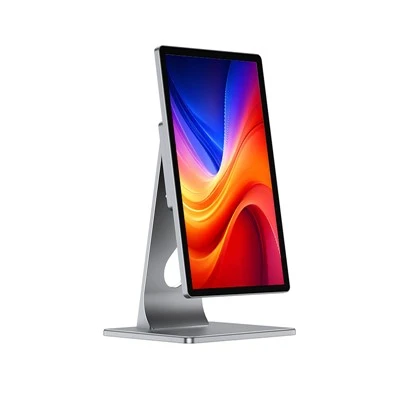
If you’re a business owner thinking about upgrading your checkout setup, or just want to make things a little smoother for your team and your customers, reach out. I can walk you through the different options, figure out what works for your space and your budget, no pressure. You don’t have to overcomplicate it—sometimes the best solutions are the ones that are right in front of you, just like that pole display at the checkout.
Android POS System References
National Retail Federation. (2023). Customer checkout experience trends and abandoned cart drivers.
Point of Sale Institute. (2022). In-store advertising effectiveness via customer-facing display devices.
Payment Card Industry Security Standards Council. (2022). Merchant payment transparency best practices.
Small Business Administration. (2021). Cost-saving tools for retail checkout operations.
Shenzhen Sunany Technology Limited
Shenzhen Sunany Technology Limited is one of the most professional pole customer display manufacturers and suppliers in China, featured by quality products and good price. Welcome to wholesale bulk advanced pole customer display made in China here and get pricelist from our factory. Contact us for customized service and OEM service.
Address: 7F, Building 2, Pingji Avenue No.13, Longgang, Shenzhen, China.
E-mail: info@sunany.com
WebSite: https://www.sunanypos.com/
