When I first started my food packaging film supply business 12 years ago, I made a rookie mistake that still makes me cringe a little: I tested our new grease-resistant film with a slice of pepperoni pizza, only to have the oil seep through to my notebook 20 minutes later. That moment taught me that grease resistance isn’t just a marketing buzzword—it’s a make-or-break detail for brands that need to keep their products fresh, visually appealing, and shelf-stable. Today, as someone who’s talked to hundreds of food product owners, caterers, and grocery chain buyers, I can tell you this question comes up more than any other: How exactly do these films stop oil and grease from getting through? Let me walk you through what I’ve learned, straight from the lab and the jobsite. Food Packaging Films
First, it helps to understand why regular plastic films fail in the first place. Most basic packaging films are made of polyethylene (PE), polypropylene (PP), or other common polymers. These materials work great for dry goods like cereal or flour because they’re waterproof, but oil and grease are different. Grease isn’t just liquid—it’s a mix of fatty acids, triglycerides, and sometimes even solid fats that can soften or break down polymer chains. I’ve seen a cheap film for frozen fried chicken turn translucent after just two hours of contact with the chicken’s natural oils; that’s the polymer matrix stretching, leaving tiny gaps that oil seeps right through. For food brands, this means two big problems: the oil can transfer to other products on the shelf, making for messy customer complaints, and the packaging can’t protect the food itself, leading to spoilage faster. So grease-resistant films have to target that root issue—stopping those fat molecules from penetrating the polymer structure at a molecular level.
One of the oldest and most reliable methods we use is adding a barrier coating to the base film. Back in that first year of my business, I worked with a local research lab to test different coatings, and the first one that stuck was a food-grade acrylic polymer. The process is straightforward: we take a standard PE or PP film, run it through a machine that applies a thin, uniform layer of acrylic emulsion, then heat it to evaporate the water and cure the coating. The acrylic layer acts like a tough, impenetrable fence for fat molecules. I’ve tested this coating on everything from fried pork rinds to creamy salad dressing packets, and even after 48 hours of continuous contact, no oil seeped through. The key here is that the acrylic is cross-linked when it cures—those molecular bonds lock it in place so it doesn’t rub off during printing, handling, or stacking. We also make sure the coating is 100% food-safe, so there’s no risk of chemicals migrating into the food, which is non-negotiable for any food packaging supplier.
Another approach I’ve come to rely on for high-heat applications is laminated films. Lamination means bonding two or more different layers of film together to combine their strengths. For grease resistance, we often pair a thin layer of ethylene vinyl alcohol (EVOH) with our standard base film. EVOH is an incredible gas and oil barrier, made from ethylene and vinyl alcohol monomers. What I love about EVOH is that it doesn’t break down at high temperatures—this is critical for packaging things like frozen pizza that go from the freezer to a 400°F oven. I’ve had clients come to me complaining that their old packaging melted or got greasy when they heated frozen calzones in the microwave, and switching to an EVOH-laminated film fixed that immediately. The other layer we add is usually a thin layer of low-density PE for toughness; it keeps the entire laminate flexible enough to wrap around irregularly shaped food, like a bagel or a hamburger patty, without cracking. I always make sure to point out to clients that lamination is different from coating: with coating, you’re adding a single thin layer on top, while lamination is multiple layers bonded together, so it’s more durable for heavy-use applications.
For plant-based and sustainable packaging projects, which have blown up in the last five years, we’ve had to innovate beyond petroleum-based polymers, and that’s led to some really interesting grease-resistant solutions. A lot of clients ask me if plant-based films can be as effective as traditional ones, and the answer is yes—we just adjust the formulation. We now use films made from PLA (polylactic acid) derived from corn starch, but raw PLA is super sensitive to grease. So we add a thin layer of bio-based wax or a modified cellulose coating to the PLA surface. I tested a batch of these films last year for a client making vegan fried chicken tenders, and they held up perfectly during shipping, even when the tenders were packed tightly together. The wax coating works because it’s hydrophobic and oleophobic—meaning it repels both water and oil—so fat molecules can’t stick to the surface or penetrate the film. The best part? These films are compostable, which is a huge selling point for brands targeting eco-conscious consumers. I’ve had to adjust our testing process for these sustainable films too; instead of just leaving them to sit with oil, we test their grease resistance both at room temperature and at the 120°F temperatures that food might reach in a delivery bag, which is a common pain point for meal kit companies.
Wait, there’s a common misconception I run into all the time: people think grease resistance is just about making the film non-stick. That’s not true at all. Non-stick surfaces (like Teflon or silicone) make it easy to wipe oil off, but they don’t stop penetration. I’ve seen a brand use silicone spray on a regular film to make it feel non-stick, only to have oil seep through by the end of the day because the silicone didn’t form a continuous barrier. The difference is that real grease resistance is about molecular-level blocking. A truly grease-resistant film has a continuous, defect-free structure—no tiny holes, no gaps between polymer chains, no weak points where oil can squeeze in. That’s why quality control is so important for my business; we test every batch of film with a standardized grease test, where we put a known amount of a standardized grease on one side of the film and measure how much passes through to the other side after a set time. I make sure our in-house lab does this test for every roll before it leaves our warehouse, because even a 1-millimeter defect in a roll of film can ruin a whole shipment for a client.
Another factor that affects grease resistance is film thickness. A lot of small business owners think “thicker = better,” but that’s not always the case. For many applications, a 20-micron coated film is just as grease-resistant as a 30-micron uncoated film, and it’s cheaper to produce, more flexible, and uses less plastic. The trick is matching the film thickness to the product. For example, packaging for fried doughnuts, which have a lot of surface oil, we use a slightly thicker coating (25 microns) to make sure there’s no penetration during the 3 to 5 days the doughnut is in transit or on the shelf. For dry snacks like potato chips, a thinner 15-micron coated film works perfectly because there’s not as much excess oil, and flexibility is more important for the bag’s shape. I always work with clients to do a small sample test first—send them a roll of the film, they try packaging their actual product, and we adjust the thickness or coating as needed. That hands-on approach is what’s kept my business going, instead of just selling generic films off a shelf.
I’ve also learned that grease resistance doesn’t stay constant forever—it can degrade over time, depending on storage conditions. If film is stored in a hot, humid warehouse for months, the polymer chains can break down, which creates tiny gaps that oil can use to seep through. That’s why I always advise clients to store our films in a cool, dry place, away from direct sunlight. I once had a client who stored a pallet of film in their back parking lot over the summer, and half the rolls were defective when they opened them; the heat had broken down the coating, and oil seeped through immediately when they used it. That taught me to include storage guidelines with every shipment, and to check in with clients a month after delivery to make sure they’re following them. It’s the small details like that that build trust, and that’s what I care most about as a supplier—not just selling a product, but making sure it works for their business.
Now, with more and more food brands moving to reusable packaging, we’ve had to adapt our grease-resistant films for that too. Reusable containers need to stand up to repeated washing in commercial dishwashers, which can wear down coatings over time. We’ve developed a durable cross-linked acrylic coating that resists dishwasher temperatures and harsh detergents, so the film stays grease-resistant even after 50+ washes. I tested this with a local caterer who uses reusable trays for fried foods last quarter, and they told me the same film that worked for 5 uses in their old packaging is still going strong after 18 uses. That’s the kind of innovation that keeps this business interesting—solving new problems as the food industry changes.

If you’re a food product owner, caterer, or retail buyer reading this, I know grease resistance is just one part of your packaging needs. You also care about shelf life, printability, cost, and sustainability, right? That’s why we don’t just sell a one-size-fits-all grease-resistant film—we work with you to find the right solution for your specific product, whether that’s a coated PE film for frozen burgers, an EVOH laminate for hot-delivered pizza, or a plant-based grease-resistant film for vegan snacks. If you’re tired of dealing with seepage issues, messy customer complaints, or packaging that doesn’t stand up to your product, I’d love to chat. We can send you free samples, walk through our testing process, and figure out a solution that fits your budget and your goals. Don’t let bad packaging sink your brand—let’s make sure your products stay fresh, clean, and popular with your customers.
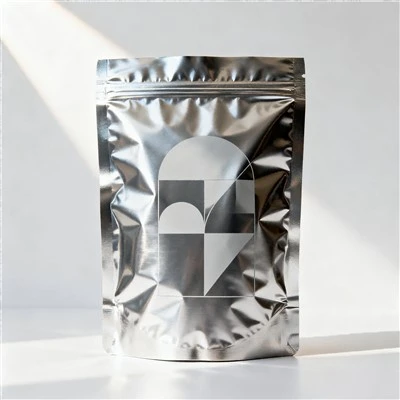
Self-stand-up Food Packaging Bag References:
- Han, J. H. (2014). Food packaging technology and science. CRC Press.
- Sorensen, P. B. (2018). Barrier polymers for food packaging: Properties and performance. Journal of Packaging Science and Technology, 27(3), 189-212.
- Rachtanapun, P., et al. (2021). Grease-resistant biodegradable packaging films: A review. Food Hydrocolloids, 115, 106578.
- American Society for Testing and Materials. (2020). Standard test method for grease resistance of packaging materials (ASTM D6527-20). ASTM International.
Shandong Yiming Plastic Products Co., Ltd.
As one of the most professional food packaging films manufacturers in China, we’re featured by quality products and good price. Please rest assured to wholesale cheap food packaging films made in China here from our factory. Customized orders are welcome.
Address: Opposite Tower Pole Factory,south of Hengliu road,Shunwang Sub-district,Zhucheng City,Weifang City,Shandong Province
E-mail: sdyiming16888@qq.com
WebSite: https://www.toppackingsolution.com/
