What are the automotive electronic connectors?
In the realm of automotive technology, the role of electronic connectors is nothing short of crucial. As a seasoned supplier of electronic connectors, I’ve witnessed firsthand how these unassuming components are the linchpins of modern automotive systems. This blog post aims to provide an in – depth exploration of automotive electronic connectors, their functions, types, importance, and future trends. Electronic Connector
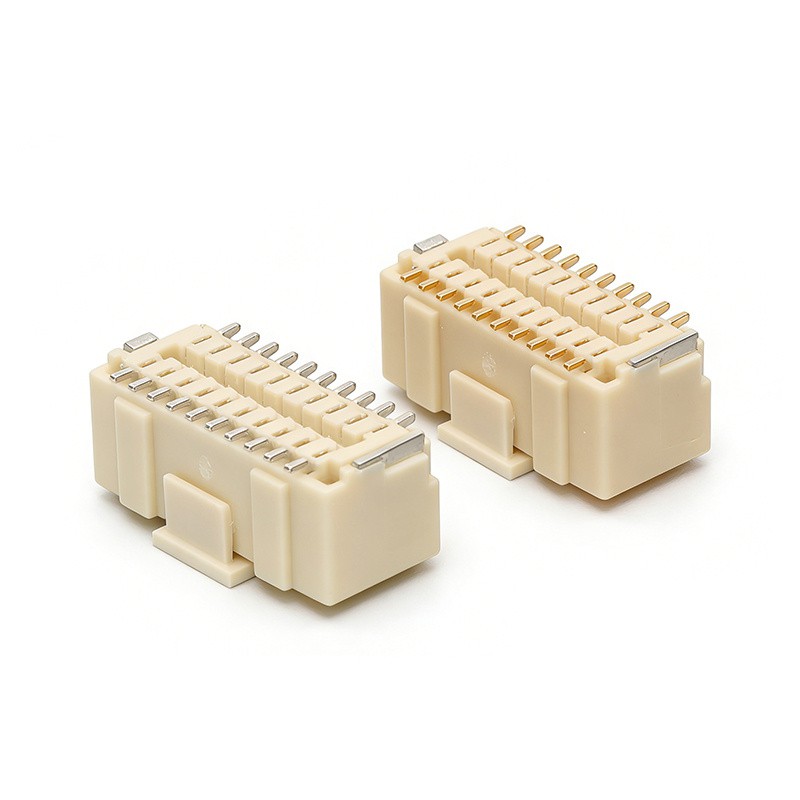
Understanding Automotive Electronic Connectors
At its core, an automotive electronic connector is a device that joins electrical circuits together. It provides a detachable connection that allows for easy installation, maintenance, and replacement of various electrical components in a vehicle. These connectors ensure a reliable flow of electricity and data between different parts of the car’s electrical system, from the engine control unit (ECU) to the infotainment system.
The basic structure of an automotive electronic connector consists of two main parts: the plug and the socket. The plug has pins or terminals that are inserted into corresponding cavities in the socket. When properly mated, these components create a secure electrical connection. The materials used in manufacturing these connectors are carefully selected to withstand the harsh automotive environment, including high temperatures, vibrations, and exposure to moisture and chemicals.
Functions of Automotive Electronic Connectors
Power Transmission
One of the primary functions of automotive electronic connectors is to transmit electrical power. In a vehicle, there are numerous components that require power to operate, such as the starter motor, headlights, and air conditioning system. Connectors ensure that the power generated by the battery or alternator is efficiently delivered to these components. For example, in the case of the starter motor, a high – current connector is used to transfer the large amount of electrical energy needed to crank the engine.
Signal Transmission
In addition to power transmission, automotive electronic connectors are also responsible for transmitting signals. Modern vehicles are equipped with a wide range of sensors and actuators that constantly communicate with the ECU. These sensors monitor various parameters such as engine temperature, tire pressure, and vehicle speed. The connectors ensure that the signals from these sensors are accurately transmitted to the ECU, which then uses this information to make decisions and control different vehicle functions. For instance, the oxygen sensor in the exhaust system sends a signal to the ECU, which adjusts the air – fuel mixture to optimize engine performance.
Component Interconnection
Automotive electronic connectors enable the interconnection of different electrical and electronic components in a vehicle. They allow for the modular design of automotive systems, which simplifies the manufacturing process and makes it easier to upgrade or replace individual components. For example, the infotainment system in a car may consist of multiple components such as the head unit, speakers, and navigation module. Connectors are used to link these components together, allowing them to work as a cohesive unit.
Types of Automotive Electronic Connectors
Wire – to – Wire Connectors
Wire – to – wire connectors are used to join two or more wires together. They are commonly used in automotive wiring harnesses to extend the length of wires or to connect different sections of the harness. These connectors come in various sizes and configurations, depending on the number of wires and the amount of current they need to carry.
Wire – to – Board Connectors
As the name suggests, wire – to – board connectors are used to connect wires to printed circuit boards (PCBs). In automotive applications, PCBs are used in various control modules and electronic devices. These connectors provide a reliable way to transfer electrical signals and power between the wires and the PCB. They are designed to be easy to install and remove, which is important for maintenance and repair purposes.
Board – to – Board Connectors
Board – to – board connectors are used to connect two or more PCBs together. They are often used in complex automotive electronic systems where multiple PCBs need to communicate with each other. These connectors can be either vertical or horizontal, depending on the layout of the PCBs. They are designed to provide a high – density connection, which is essential for reducing the size and weight of automotive electronic systems.
Circular Connectors
Circular connectors are commonly used in automotive applications where a high – level of environmental protection is required. They have a circular shape and are designed to withstand harsh conditions such as dust, water, and vibrations. Circular connectors are often used in applications such as automotive lighting, sensors, and powertrain systems.
Importance of Automotive Electronic Connectors
Reliability
Reliability is of utmost importance in automotive applications. A single connector failure can lead to a wide range of problems, from minor electrical glitches to major system malfunctions. Automotive electronic connectors are designed to meet strict quality and reliability standards to ensure that they can operate reliably in the harsh automotive environment. For example, they are tested for factors such as contact resistance, insulation resistance, and mechanical durability.
Safety
Safety is another critical aspect of automotive electronics. Connectors play a crucial role in ensuring the safe operation of a vehicle. For instance, in the case of safety – critical systems such as the airbag system or the anti – lock braking system (ABS), reliable connectors are essential to ensure that these systems function correctly in an emergency. A faulty connector could prevent the airbag from deploying or the ABS from engaging, putting the lives of the vehicle occupants at risk.
Compatibility
With the increasing complexity of automotive electronic systems, compatibility is a major concern. Automotive electronic connectors need to be compatible with different types of wires, PCBs, and electrical components. They also need to meet industry standards and specifications to ensure that they can be used interchangeably in different vehicle models. This compatibility simplifies the manufacturing process and reduces the cost of production.
Challenges in Automotive Electronic Connector Design
Miniaturization
As automotive manufacturers strive to reduce the size and weight of vehicles, there is a growing demand for smaller and more compact electronic connectors. However, miniaturization presents several challenges, such as maintaining electrical performance, mechanical strength, and environmental protection. Designers need to find innovative ways to pack more functionality into smaller spaces without sacrificing reliability.
High – Speed Data Transmission
Modern vehicles are increasingly becoming connected, with features such as in – vehicle Wi – Fi, Bluetooth, and Ethernet. These technologies require high – speed data transmission, which places additional demands on automotive electronic connectors. Connectors need to be designed to minimize signal loss and interference to ensure fast and reliable data transfer.
Harsh Environment
The automotive environment is extremely harsh, with high temperatures, vibrations, and exposure to chemicals and moisture. Connectors need to be able to withstand these conditions without degradation in performance. This requires the use of high – quality materials and advanced manufacturing processes to ensure long – term reliability.
Future Trends in Automotive Electronic Connectors
Increased Electrification
With the growing trend towards electric vehicles (EVs) and hybrid electric vehicles (HEVs), there is a significant increase in the use of electrical and electronic components in automotive applications. This will lead to a higher demand for automotive electronic connectors, especially those capable of handling high – voltage and high – current applications.
Autonomous Driving
The development of autonomous driving technology is another major trend in the automotive industry. Autonomous vehicles rely on a large number of sensors, cameras, and control systems, all of which require reliable electrical connections. This will drive the demand for high – performance automotive electronic connectors that can support the complex data transmission and control requirements of autonomous driving systems.
Smart Connectors
The concept of smart connectors is emerging in the automotive industry. Smart connectors are equipped with sensors and communication capabilities that allow them to monitor their own performance and report any faults or anomalies. This can help improve the reliability and safety of automotive electronic systems by enabling predictive maintenance.
Why Choose Our Electronic Connectors?
As a leading supplier of automotive electronic connectors, we take pride in offering high – quality products that meet the most stringent industry standards. Our connectors are designed and manufactured using the latest technologies and materials, ensuring excellent performance, reliability, and durability.
We have a team of experienced engineers and technicians who are dedicated to providing customized solutions to meet the specific needs of our customers. Whether you need a standard connector or a custom – designed one, we can work with you to develop the perfect solution.

In addition, we offer competitive pricing and fast delivery times. We understand the importance of cost – effectiveness and timely delivery in the automotive industry, and we are committed to providing our customers with the best value for their money.
Wire-to-Wire Connector If you are in the market for high – quality automotive electronic connectors, we invite you to contact us to discuss your requirements. We are confident that our products and services will exceed your expectations. Let’s work together to drive the future of automotive technology.
References
- "Automotive Electrical and Electronic Systems" by John F. Kershaw
- "Connectors for Automotive Applications" by the Society of Automotive Engineers (SAE)
- Industry reports from leading market research firms such as Frost & Sullivan and MarketsandMarkets
Wenzhou JKUN Connector Co., Ltd.
As one of the most professional electronic connector manufacturers and suppliers in China, we’re featured by quality products and low price. Please rest assured to wholesale bulk customized electronic connector from our factory. For quotation and free sample, contact us now.
Address: No.2667, Ningkang East Road, Yueqing City, Zhejiang Province, China
E-mail: sales@cnjkun.com
WebSite: https://www.jkunjcj.com/
