Hey there! I’m a supplier of steel bars, and I’ve been in this business for quite a while. One of the most common questions I get from customers is about how temperature affects the properties of steel bars. So, I thought I’d share my knowledge on this topic in today’s blog. Steel Bar
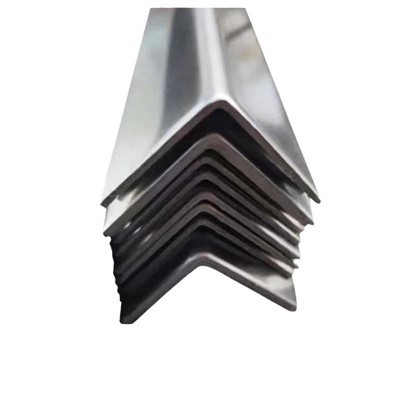
Let’s start with the basics. Steel is an alloy made primarily of iron and carbon, with small amounts of other elements like manganese, silicon, and sulfur. The properties of steel, such as its strength, hardness, and ductility, are influenced by its chemical composition and the way it’s processed. Temperature plays a crucial role in both of these aspects.
How Temperature Affects the Structure of Steel
At room temperature, steel has a crystalline structure. The atoms in the steel are arranged in a regular pattern, which gives the steel its strength and other properties. When the temperature changes, the structure of the steel can also change.
Low Temperatures
When steel is exposed to low temperatures, it becomes more brittle. This is because the atoms in the steel have less energy and are less able to move around. As a result, the steel is more likely to crack or break under stress. For example, in cold climates, steel bars used in construction need to be carefully selected to ensure they can withstand the low temperatures. If the steel is too brittle, it can lead to structural failures.
High Temperatures
On the other hand, when steel is heated to high temperatures, its structure changes in a different way. As the temperature rises, the atoms in the steel gain more energy and start to move more freely. This can cause the steel to become softer and more ductile. At very high temperatures, the steel can even melt.
When steel is heated above a certain temperature, called the critical temperature, it undergoes a phase change. The most common phase changes in steel are from ferrite to austenite. Austenite is a more ductile and malleable phase of steel, which is why steel is often heated to this phase during processes like forging and rolling.
Effects on Mechanical Properties
Strength
The strength of steel is one of its most important properties. At low temperatures, the strength of steel generally increases. This is because the cold makes the steel more rigid, and it can withstand more stress before it deforms. However, as mentioned earlier, the brittleness also increases, which means that the steel is more likely to fail suddenly without much warning.
At high temperatures, the strength of steel decreases. The increased atomic mobility makes it easier for the steel to deform under stress. This is why steel structures need to be designed to withstand the expected temperature range. For example, in a building with a fire protection system, the steel columns and beams need to be able to maintain their strength for a certain period of time at high temperatures.
Hardness
Hardness is another important property of steel. It refers to the ability of the steel to resist indentation or scratching. At low temperatures, the hardness of steel increases. This is because the cold makes the steel more difficult to deform. However, like strength, the increased hardness also comes with an increase in brittleness.
At high temperatures, the hardness of steel decreases. The heat softens the steel, making it easier to work with. This is why heat treatment processes are often used to adjust the hardness of steel. For example, quenching and tempering are common heat treatment methods that can be used to increase the hardness of steel while also improving its toughness.
Ductility
Ductility is the ability of a material to deform plastically without breaking. At low temperatures, the ductility of steel decreases. The cold makes the steel more brittle, and it is less able to stretch or bend without cracking.
At high temperatures, the ductility of steel increases. The heat allows the atoms in the steel to move more freely, making it easier for the steel to deform. This is why steel is often heated during processes like bending and shaping.
Practical Implications for Steel Bar Suppliers
As a steel bar supplier, understanding the effects of temperature on steel properties is crucial. We need to make sure that the steel bars we supply are suitable for the intended application and the expected temperature conditions.
For example, if a customer needs steel bars for a project in a cold climate, we need to recommend steel grades that are known for their good performance at low temperatures. These steels are often alloyed with elements like nickel and chromium to improve their toughness and resistance to brittle fracture.
On the other hand, if a customer needs steel bars for a high-temperature application, such as in a furnace or a power plant, we need to supply steels that can maintain their strength and other properties at elevated temperatures. These steels are often made with special alloys and heat treatment processes to ensure their performance.
How to Choose the Right Steel Bars for Different Temperatures
When choosing steel bars for different temperature conditions, there are several factors to consider.
Temperature Range
The first thing to consider is the expected temperature range of the application. If the temperature is going to be very low, you need to choose a steel that is resistant to brittle fracture. If the temperature is going to be very high, you need to choose a steel that can maintain its strength and other properties at elevated temperatures.
Application
The application of the steel bars also plays a role in the selection process. For example, if the steel bars are going to be used in a structural application, you need to choose a steel that has the right strength and ductility. If the steel bars are going to be used in a decorative application, you may be more concerned with the appearance and corrosion resistance of the steel.
Cost
Cost is always a factor in any purchasing decision. You need to balance the performance requirements of the steel bars with the cost. Sometimes, a more expensive steel may be necessary to ensure the long-term performance of the project.
Conclusion

In conclusion, temperature has a significant effect on the properties of steel bars. Low temperatures make steel more brittle, while high temperatures make it softer and more ductile. As a steel bar supplier, it’s our responsibility to understand these effects and help our customers choose the right steel bars for their applications.
Stainless Steel Plate If you’re in the market for steel bars and need some advice on which type of steel is best for your project, don’t hesitate to reach out. We’re here to help you make the right choice and ensure the success of your project. Whether you’re building a bridge, a skyscraper, or a simple fence, we have the steel bars you need.
References
- ASM Handbook, Volume 1: Properties and Selection: Irons, Steels, and High-Performance Alloys
- Steel Construction Manual, American Institute of Steel Construction
- Heat Treatment of Steels, ASM International
Shanxi Midas Industrial Co., Ltd.
We’re known as one of the most professional steel bar manufacturers and suppliers in China. With abundant experience, we warmly welcome you to buy cheap steel bar made in China here from our factory. For price consultation, contact us.
Address: 28th, Huanqiu Jinrong Zhongxin, Xieyuan Road, Changfeng Business District, Taiyuan City, Shanxi Province, China
E-mail: midassteel@163.com
WebSite: https://www.midassteel.com/
