Hey there! As a supplier of Indoor WiFi APs, I often get asked about the difference between lightweight and heavyweight indoor WiFi APs. So, I thought I’d take a few minutes to break it down for you. Indoor WiFi AP

First off, let’s talk about what these terms actually mean. A lightweight WiFi AP, also known as a thin AP, is designed to be managed centrally by a Wireless LAN Controller (WLC). This means that most of the configuration and management tasks are taken care of by the controller, and the AP itself just focuses on sending and receiving wireless signals. On the other hand, a heavyweight WiFi AP, also called a fat AP, is a standalone device that can be configured and managed independently without the need for a WLC.
Configuration and Management
One of the biggest differences between the two is in the way they’re configured and managed. With a lightweight AP, all the configuration settings are stored on the WLC. This makes it really easy to manage a large number of APs from a single location. For example, if you have a big office building with dozens of APs, you can make changes to the security settings or the channel allocation for all of them at once through the WLC. It saves a ton of time and effort, especially for large – scale deployments.
In contrast, a heavyweight AP requires you to configure each device separately. If you want to change the SSID (the name of your WiFi network) on ten different APs, you’ll have to log in to each one and make the change individually. This can be a real hassle, especially when you have a lot of APs to manage. But on the flip side, it gives you more flexibility. You can customize each AP based on its specific location and the needs of the users in that area.
Security
When it comes to security, lightweight APs have an edge. Since they’re managed by a WLC, the controller can enforce security policies across all the APs. It can perform tasks like authentication, authorization, and accounting (AAA) in a centralized manner. This means that all users connecting to the WiFi network have to go through the same security checks, which helps in preventing unauthorized access.
Heavyweight APs, being standalone devices, rely on their own built – in security features. While they can still provide a good level of security, it can be more difficult to ensure consistency across multiple APs. For example, if one AP has an outdated security setting and you forget to update it, it could become a weak point in your network.
Performance
In terms of performance, the choice between lightweight and heavyweight APs depends on your specific needs. Lightweight APs are generally more suitable for large enterprises or public venues where there are a lot of users. The WLC can optimize the performance of the APs by managing things like traffic load balancing, channel assignment, and radio frequency management. This ensures that the WiFi network can handle a high volume of users without significant slowdowns.
Heavyweight APs, on the other hand, can be a great choice for small to medium – sized businesses or home use. They can provide a reliable WiFi connection for a relatively small number of users. And since they don’t rely on a separate controller, there’s less latency in the network. This can result in a snappier connection, especially for tasks that require low latency, like online gaming or video conferencing.
Cost
Cost is another important factor to consider. Lightweight APs are usually more expensive upfront because you need to purchase not only the APs but also a Wireless LAN Controller. The controller can be a significant investment, especially for smaller organizations. But in the long run, they can be more cost – effective for large deployments because of the ease of management and the ability to scale the network easily.
Heavyweight APs are generally cheaper to purchase initially. You don’t need to buy a separate controller, so the upfront cost is lower. However, the long – term cost can be higher if you have to spend a lot of time managing each device separately. And if you later decide to expand your network, you might find that adding more heavyweight APs becomes more complex and costly to manage.
Deployment
Deployment is also a key difference. Lightweight APs are relatively easy to deploy in a large – scale environment. Once you have the WLC set up, you can simply plug in the APs, and they’ll automatically connect to the controller and get their configuration settings. This makes it quick to roll out a WiFi network across a big area, like a campus or a large office building.
Heavyweight APs require more hands – on work during deployment. You need to configure each AP individually, which takes time, especially if you have a lot of them. But for smaller deployments, like a single – office space or a home, this might not be a big deal.
When to Choose a Lightweight AP
If you’re running a large enterprise with multiple floors or buildings, a lightweight AP is probably the way to go. You’ll benefit from the centralized management, which makes it easy to keep your network secure and optimized. It can also handle a large number of concurrent users, which is essential in a busy corporate environment.
Public venues like airports, shopping malls, and convention centers also often use lightweight APs. These places need to provide reliable WiFi to a large number of people, and the ability to manage and scale the network easily is crucial.
When to Choose a Heavyweight AP
For small businesses with a single office or a few employees, a heavyweight AP can be a great choice. It’s simple to set up and manage, and it can provide a good – quality WiFi connection without the need for a complex controller.
Home users also typically find heavyweight APs more suitable. You can easily configure the AP to meet your specific needs, like setting up a guest network or adjusting the security settings.
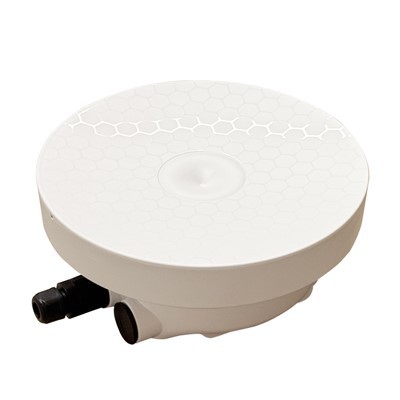
So, there you have it! The differences between lightweight and heavyweight indoor WiFi APs. As a supplier, I know that choosing the right type of AP can be a bit confusing, but I’m here to help. If you’re still not sure which one is right for you, or if you’re interested in purchasing Indoor WiFi APs, feel free to reach out. We can have a chat about your specific requirements and find the best solution for your situation.
WiFi AP References:
- Cisco Systems, Inc. "Wireless LAN Controller and Lightweight Access Points."
- Aruba Networks. "Comparing Fat and Thin Access Points in Wireless Networks."
- Juniper Networks. "Understanding the Role of Heavyweight and Lightweight APs in Enterprise WLANs."
Jinan Bodaxun Communication Technology Co., Ltd.
With abundant experience, we are one of the most professional indoor wifi ap manufacturers and suppliers in China. Please rest assured to buy high quality indoor wifi ap for sale here from our factory. For price consultation, contact us.
Address: 4-501, Future Smart Manufacturing Center, China Computing Valley, Liandong U Valley, High-tech Zone, Jinan City, Shandong Province
E-mail: lmj@bodacomwlan.com
WebSite: https://www.bodacomwlan.com/
