As a supplier of axial flow fans, one of the most common questions I encounter is about the air delivery capacity of these fans. In this blog, I’ll delve into the concept of air delivery capacity, how it is measured, the factors that affect it, and why it matters in various applications. Axial Flow Fans

Understanding Air Delivery Capacity
The air delivery capacity of an axial flow fan refers to the volume of air that the fan can move through a given space in a specific period. It is typically measured in cubic feet per minute (CFM) in the United States or cubic meters per hour (m³/h) in many other parts of the world. This metric is crucial as it determines how effectively the fan can ventilate a room, cool a piece of equipment, or perform any other air – moving task.
To put it simply, a higher air delivery capacity means that the fan can move more air in a shorter amount of time. For instance, if you have a large industrial warehouse that needs proper ventilation, you’ll require a fan with a high CFM or m³/h rating to ensure that fresh air circulates throughout the space and removes stale air and pollutants.
How is Air Delivery Capacity Measured?
The measurement of air delivery capacity is a scientific process. It involves creating a controlled environment where the fan operates under specific conditions. A flow hood is often used to measure the volume of air being moved by the fan. The flow hood is placed over the fan’s outlet, and it captures and measures the airflow.
In a laboratory setting, the fan is set up in a test duct. Sensors are installed to measure the air velocity at different points across the duct. By multiplying the average air velocity by the cross – sectional area of the duct, the air delivery capacity can be calculated. This measurement is done at a specific static pressure, which we’ll discuss in more detail later.
Factors Affecting Air Delivery Capacity
Fan Design
The design of the axial flow fan plays a significant role in its air delivery capacity. The number of blades, the shape of the blades, and the pitch of the blades all impact how much air the fan can move. A fan with more blades may move more air, but it may also require more power to operate. The blade shape, whether it’s curved or straight, affects the aerodynamics of the fan and influences the efficiency of air movement. The pitch of the blades determines the angle at which the blades interact with the air, and an optimal pitch can enhance the air delivery capacity.
Fan Speed
The rotational speed of the fan, measured in revolutions per minute (RPM), has a direct impact on the air delivery capacity. Generally, the higher the RPM, the greater the air delivery capacity. However, increasing the RPM also increases the power consumption and the noise level of the fan. So, there’s a balance to be struck between achieving the desired air delivery and keeping the power usage and noise within acceptable limits.
Static Pressure
Static pressure is the resistance that the fan has to overcome to move air through a system. It can be caused by factors such as ductwork, filters, and obstructions. As the static pressure increases, the air delivery capacity of the fan decreases. This is because the fan has to work harder to push the air through the resistance. For example, if an axial flow fan is used in a ventilation system with long and narrow ductwork, the static pressure will be relatively high, and the fan may not be able to deliver as much air as it would in a system with minimal resistance.
Fan Size
The physical size of the fan also affects its air delivery capacity. Larger fans generally have a higher air delivery capacity because they have a larger cross – sectional area through which air can flow. However, larger fans may also require more space for installation and may consume more power.
Importance of Air Delivery Capacity in Different Applications
Industrial Ventilation
In industrial settings, proper ventilation is essential for the health and safety of workers and the proper functioning of equipment. Axial flow fans with high air delivery capacities are used to remove dust, fumes, and heat from large manufacturing plants, warehouses, and workshops. For example, in a steel mill, where there are high levels of heat and dust, powerful axial flow fans are needed to continuously exchange the indoor air with fresh outdoor air.
HVAC Systems
Heating, ventilation, and air conditioning (HVAC) systems rely on axial flow fans to distribute conditioned air throughout buildings. The air delivery capacity of the fans determines how quickly and effectively the temperature and humidity can be controlled in different areas of the building. In a large commercial building, multiple axial flow fans may be used in the HVAC system to ensure uniform air distribution.
Cooling Electronic Equipment
Axial flow fans are commonly used to cool electronic devices such as computers, servers, and industrial control panels. The air delivery capacity of the fans is critical in removing the heat generated by these devices. If the fan cannot deliver enough air, the temperature of the electronic components may rise, leading to performance issues and potentially shortening the lifespan of the equipment.
Selecting the Right Axial Flow Fan Based on Air Delivery Capacity
When choosing an axial flow fan for a specific application, it’s essential to accurately calculate the required air delivery capacity. Start by determining the size of the space that needs to be ventilated or cooled. Consider the factors that may contribute to the static pressure, such as the length and diameter of the ductwork, the presence of filters, and any obstructions.
Once you have an estimate of the required air delivery capacity, you can select a fan that meets or exceeds this requirement. However, it’s also important to consider other factors such as power consumption, noise level, and cost.
As a supplier of axial flow fans, we have a wide range of products with different air delivery capacities to meet the diverse needs of our customers. Whether you’re looking for a small fan for a home application or a large industrial – grade fan, we can provide you with the right solution.
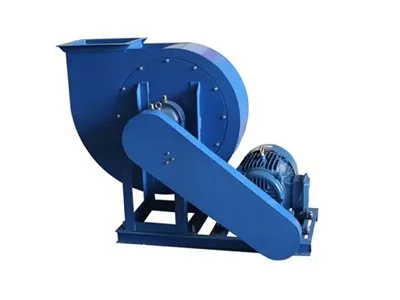
If you’re in the process of selecting an axial flow fan for your project, we’re here to help. Our team of experts can assist you in calculating the required air delivery capacity, understanding the technical specifications of our products, and making an informed decision. We pride ourselves on providing high – quality axial flow fans that are reliable and efficient.
Dust Collection Fans If you have any questions or would like to discuss your specific requirements further, please don’t hesitate to reach out. We look forward to the opportunity to work with you and provide you with the best axial flow fans for your needs.
References
- Mechanical and Electrical Equipment for Buildings, by C. Y. Wong.
- Fan Engineering: The Application, Selection, and Testing of Fans, by Buffalo Forge Company.
- ASHRAE Handbook – HVAC Systems and Equipment, published by the American Society of Heating, Refrigerating and Air – Conditioning Engineers.
Shandong Qiyue Fan Co., Ltd.
With abundant experience, we are one of the most reliable axial flow fans manufacturers and suppliers in China. Please feel free to wholesale high quality axial flow fans made in China here from our factory. We also accept customized orders.
Address: Dongchen Industrial Park, Zhoucun District, Zibo, Shandong, China
E-mail: sales@qiyuefan.com
WebSite: https://www.qiyuefan.com/
