In the ever-evolving landscape of custom manufacturing, precision and efficiency are the cornerstones of success. This is where a cutting map emerges as an indispensable tool, revolutionizing the way products are crafted to meet unique specifications. As a supplier of cutting maps, I’ve witnessed firsthand the transformative impact these maps have on the custom manufacturing process. In this blog, I’ll delve into the significance of a cutting map, exploring how it enhances productivity, minimizes waste, and ensures the highest quality of custom-made products. Cutting Map
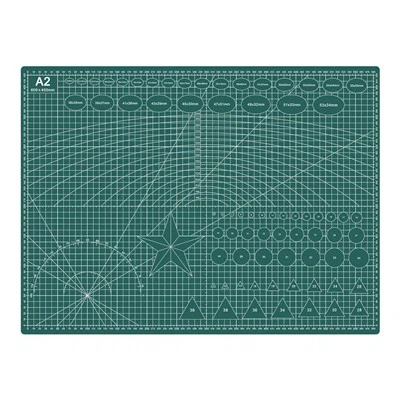
Precision and Accuracy: The Foundation of Custom Manufacturing
At its core, a cutting map is a detailed blueprint that guides the cutting process with unparalleled precision. In custom manufacturing, where every product is tailored to specific requirements, accuracy is non-negotiable. A cutting map provides a clear and exact representation of how materials should be cut, taking into account factors such as material type, thickness, and the desired shape of the final product.
For example, in the automotive industry, custom parts are often made from various materials, including metals, plastics, and composites. A cutting map ensures that each part is cut to the precise dimensions required for a perfect fit within the vehicle. This level of accuracy not only improves the overall performance of the vehicle but also reduces the need for costly rework or adjustments.
In the furniture manufacturing sector, a cutting map is equally crucial. When creating custom pieces, such as cabinets or tables, the cutting map dictates the exact size and shape of each component. This precision ensures that the final product is not only aesthetically pleasing but also structurally sound. By eliminating human error and providing a standardized cutting guide, a cutting map helps manufacturers achieve consistent results, batch after batch.
Maximizing Material Utilization: Reducing Waste and Costs
One of the most significant benefits of a cutting map is its ability to optimize material usage. In custom manufacturing, materials can be a major expense, and minimizing waste is essential for maintaining profitability. A cutting map uses advanced algorithms to arrange the cutting patterns in the most efficient way possible, ensuring that the maximum amount of material is utilized from each sheet or piece.
For instance, in the textile industry, where fabrics can be expensive, a cutting map can significantly reduce waste by nesting patterns closely together. This technique, known as nesting, allows manufacturers to cut multiple pieces from a single fabric roll, minimizing the amount of unused material. By reducing waste, manufacturers can not only save on material costs but also contribute to a more sustainable manufacturing process.
In the metal fabrication industry, a cutting map can also have a profound impact on material utilization. By carefully planning the cutting sequence and orientation of parts, manufacturers can minimize scrap and maximize the yield from each metal sheet. This not only reduces costs but also improves the overall efficiency of the manufacturing process, as less time is spent on handling and disposing of waste materials.
Streamlining Production Processes: Enhancing Efficiency and Productivity
A cutting map plays a crucial role in streamlining the production process in custom manufacturing. By providing a clear roadmap for the cutting operation, it eliminates the need for manual measurements and guesswork, reducing setup time and increasing productivity.
In a modern manufacturing facility, cutting maps can be integrated with computer numerical control (CNC) cutting machines. These machines are capable of reading the cutting map directly and executing the cutting process with high precision and speed. This automation not only improves the accuracy of the cuts but also allows for faster production cycles, enabling manufacturers to meet tight deadlines and increase their output.
Moreover, a cutting map can help in coordinating different stages of the manufacturing process. For example, in a multi-step process where a product is cut, welded, and then finished, the cutting map can be used to ensure that the parts are cut in the correct order and to the right specifications. This seamless integration of processes reduces the risk of errors and delays, leading to a more efficient and productive manufacturing environment.
Ensuring Quality Assurance: Meeting Customer Expectations
In custom manufacturing, quality is of utmost importance. Customers expect products that meet or exceed their specifications, and a cutting map is a key tool in ensuring that these expectations are met. By providing a detailed and accurate cutting plan, a cutting map helps manufacturers maintain consistent quality throughout the production process.
For example, in the aerospace industry, where safety and precision are critical, a cutting map is used to ensure that every component meets the strictest quality standards. The map provides a reference for inspectors to verify that the parts are cut to the correct dimensions and tolerances. This rigorous quality control process helps to prevent defects and ensures that the final product is safe and reliable.
In the electronics industry, a cutting map is also essential for maintaining quality. When manufacturing printed circuit boards (PCBs), the cutting map guides the process of cutting the boards to the correct size and shape. This precision is necessary to ensure that the components can be properly installed and that the board functions as intended. By using a cutting map, manufacturers can reduce the risk of quality issues and improve customer satisfaction.
Customization and Flexibility: Meeting Diverse Customer Needs
One of the key advantages of custom manufacturing is the ability to meet the diverse needs of customers. A cutting map provides the flexibility to create custom products that are tailored to specific requirements. Whether it’s a unique shape, size, or material, a cutting map can be designed to accommodate these customizations.
For example, in the jewelry industry, customers often request custom-made pieces with intricate designs. A cutting map can be used to translate these designs into precise cutting instructions, allowing jewelers to create one-of-a-kind pieces that meet the customer’s exact specifications. This level of customization not only enhances the value of the jewelry but also provides a unique shopping experience for the customer.
In the architectural industry, a cutting map is also used to create custom building components, such as doors, windows, and facade panels. The map can be customized to incorporate different materials, finishes, and design elements, allowing architects to bring their vision to life. This flexibility in design and production is what sets custom manufacturing apart from mass production and makes it a preferred choice for many customers.
Conclusion: The Value of a Cutting Map in Custom Manufacturing
In conclusion, a cutting map is a vital tool in custom manufacturing, offering a wide range of benefits that enhance precision, efficiency, and quality. From ensuring accurate cuts and maximizing material utilization to streamlining production processes and enabling customization, a cutting map plays a crucial role in the success of any custom manufacturing operation.
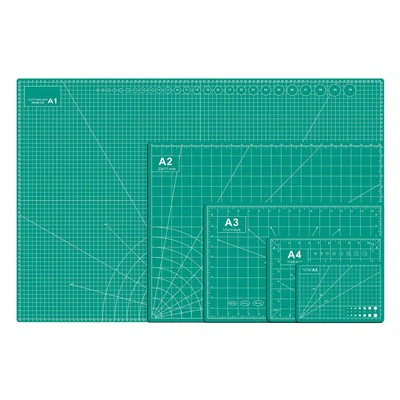
As a cutting map supplier, I’m committed to providing high-quality, customized cutting maps that meet the unique needs of my customers. Whether you’re a small-scale manufacturer looking to improve your efficiency or a large corporation seeking to maintain the highest standards of quality, I can help you find the right cutting map solution for your business.
Cutting Mat Pad If you’re interested in learning more about how a cutting map can benefit your custom manufacturing process, I invite you to contact me to discuss your specific requirements. Together, we can explore how a cutting map can help you take your business to the next level.
References
- Smith, J. (2020). The Role of Cutting Maps in Precision Manufacturing. Manufacturing Journal, 15(2), 34-41.
- Johnson, A. (2019). Optimizing Material Utilization with Cutting Maps. Journal of Sustainable Manufacturing, 8(3), 56-63.
- Brown, C. (2018). Streamlining Production Processes with Cutting Maps. Industrial Engineering Review, 22(1), 78-85.
Dongguan Tensoa Technology Co., Ltd.
Address: Room 201, Building 2, No. 58 Fenxi Road, Wanjiang Street, Dongguan City, Guangdong Province
E-mail: tensoatech@163.com
WebSite: https://www.tensoatech.com/
